Which PURELL dispenser, and which refill fits it
Match the system name on the dispenser to the refill. Everything else is a question of traffic and wall space.
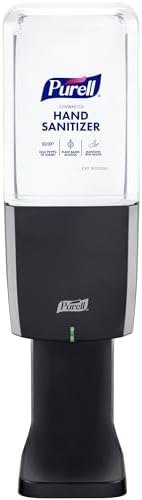
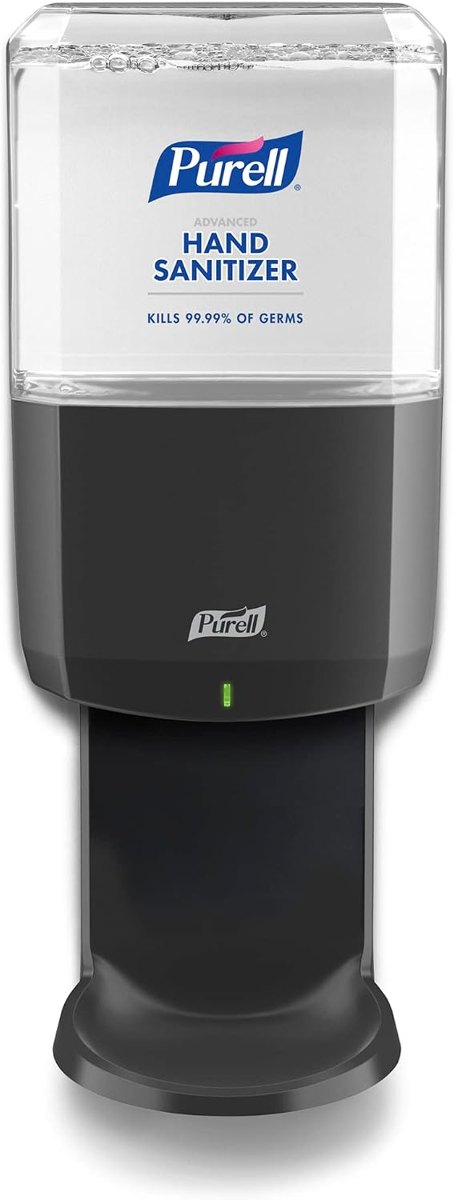
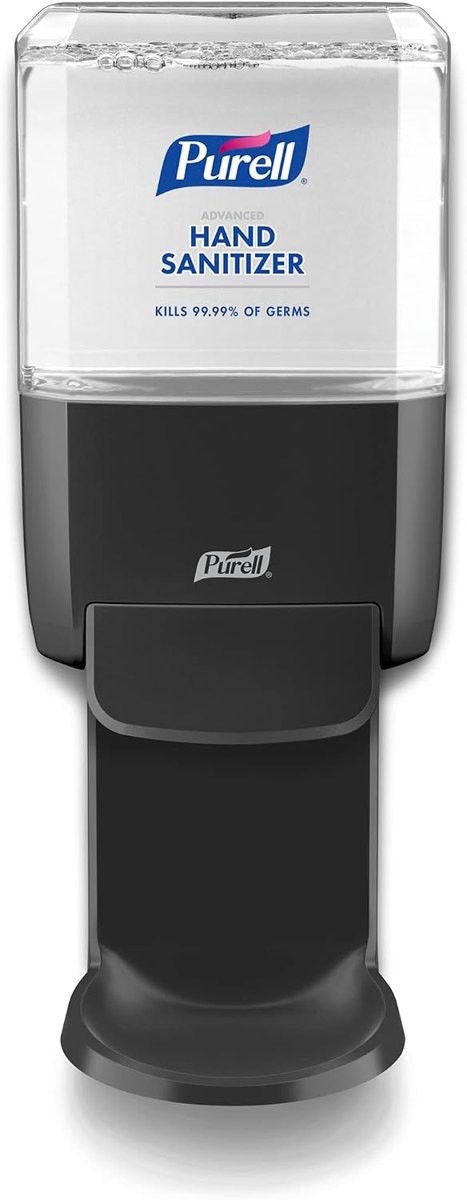
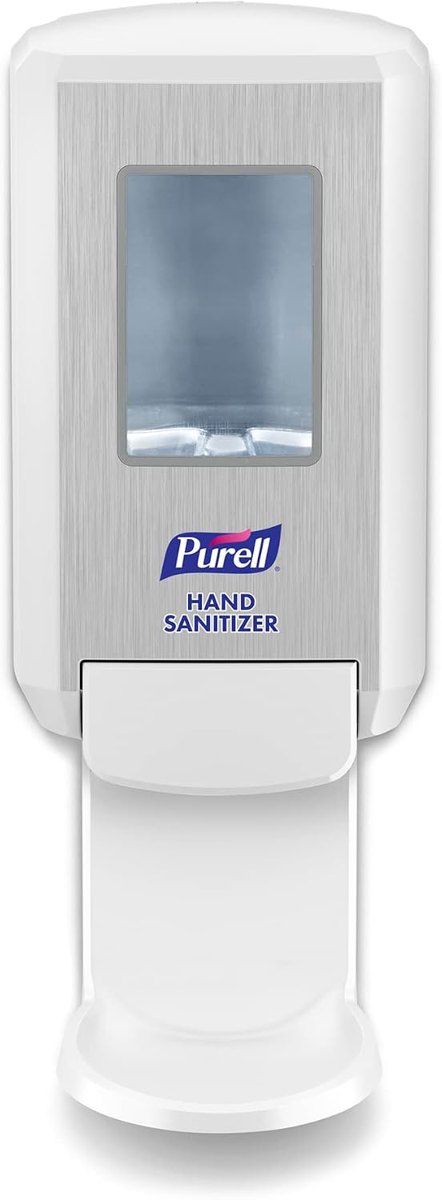
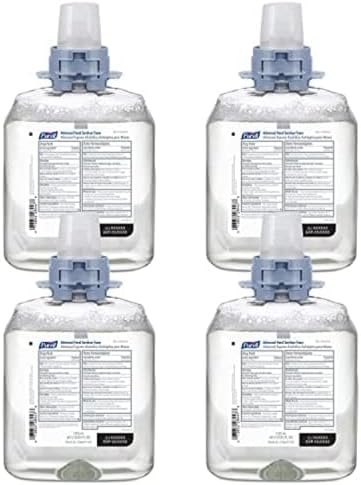
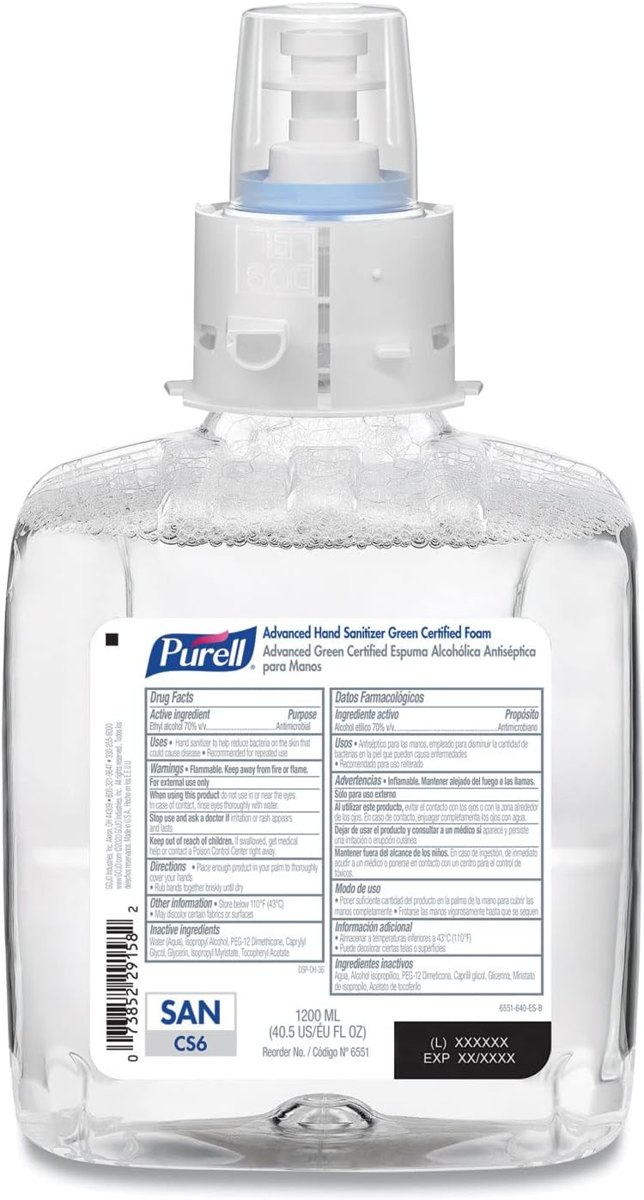
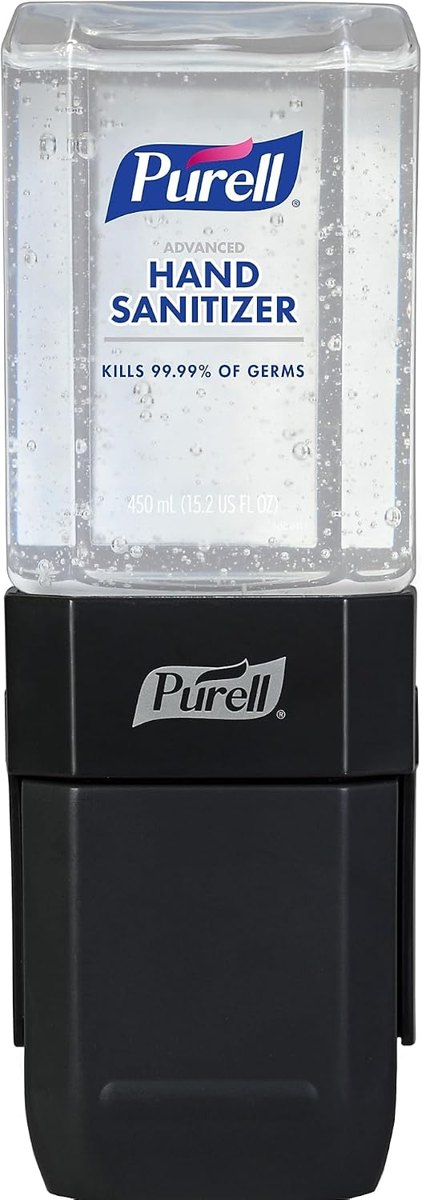
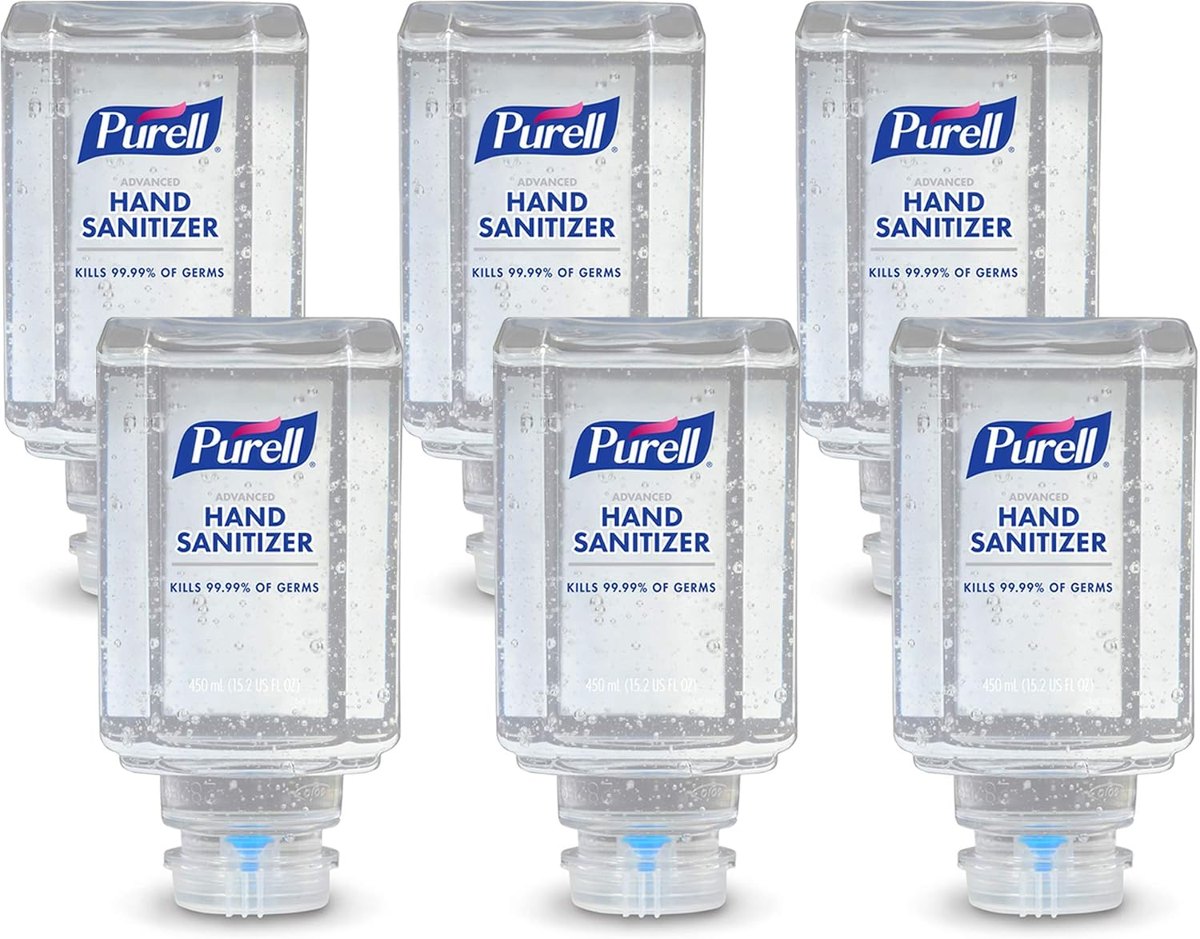
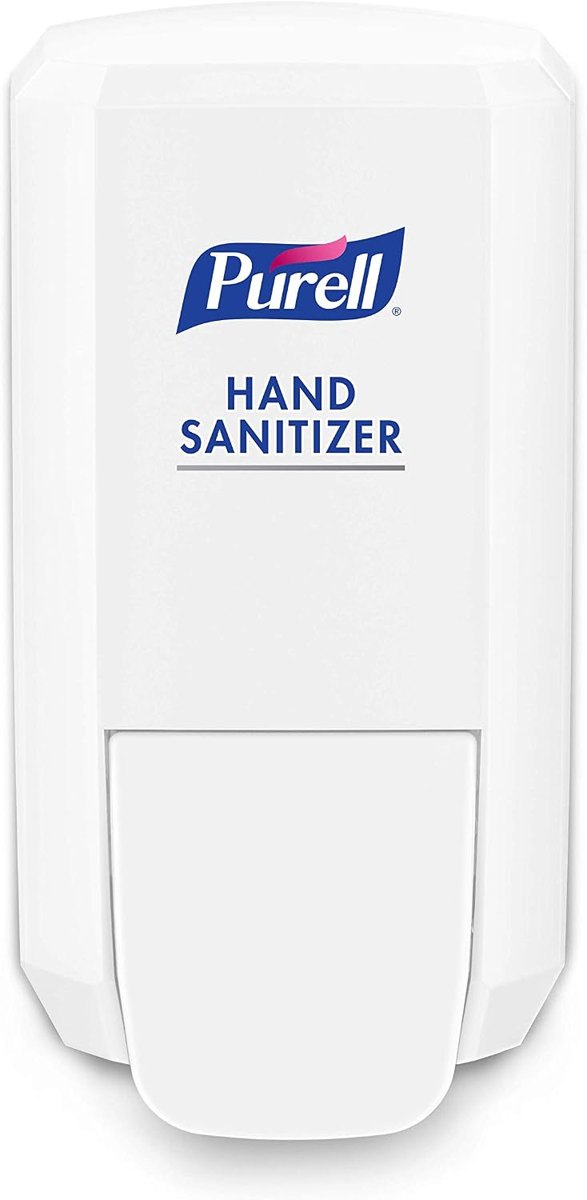
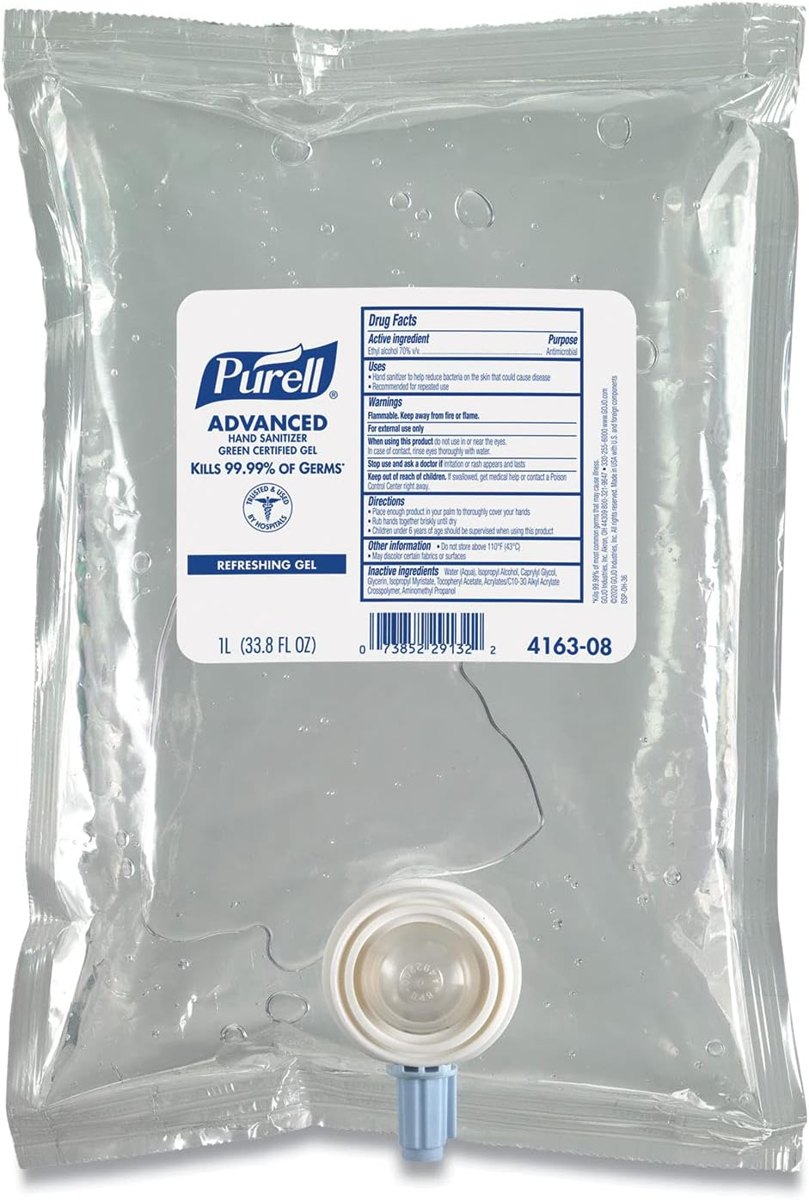
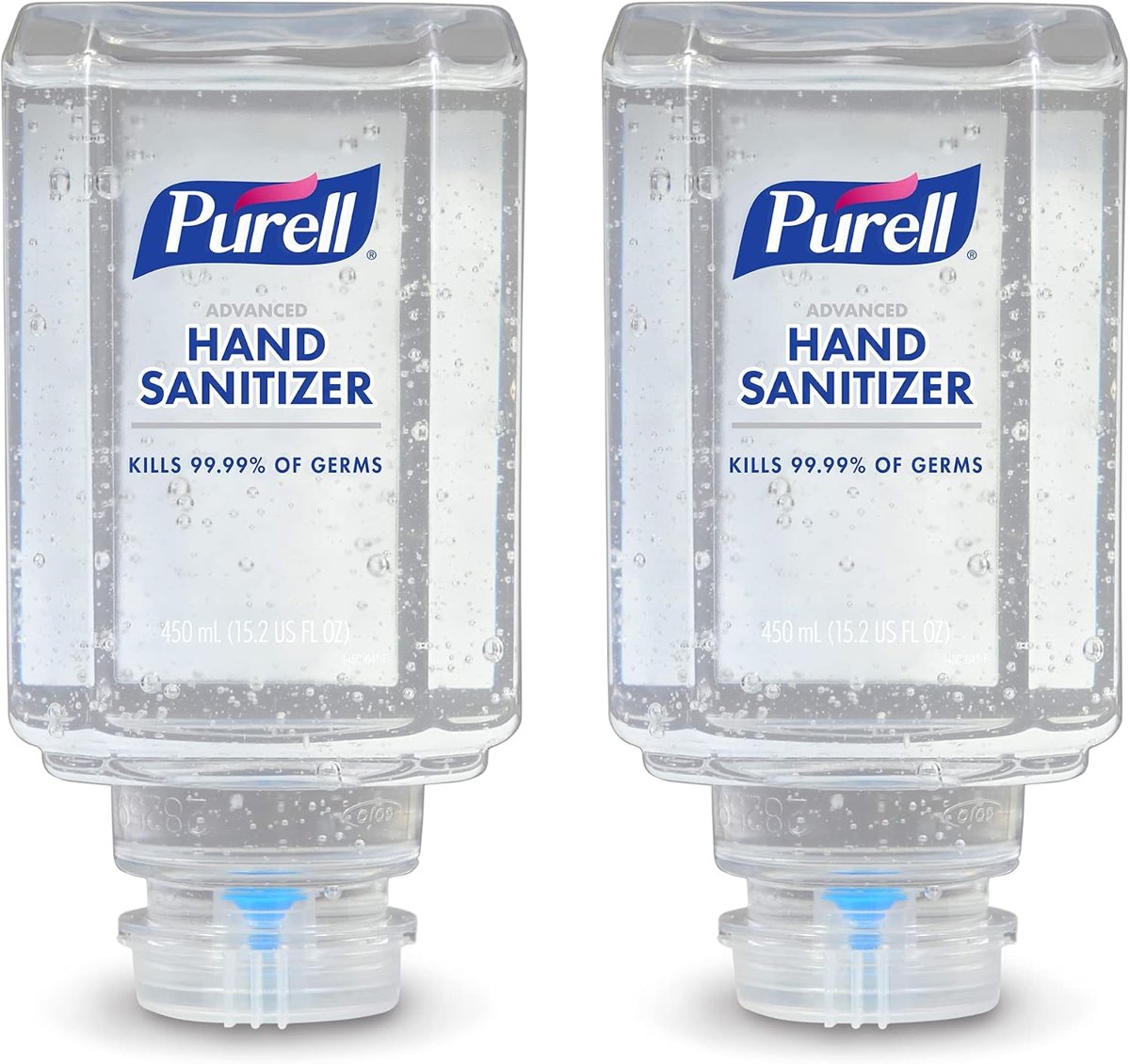
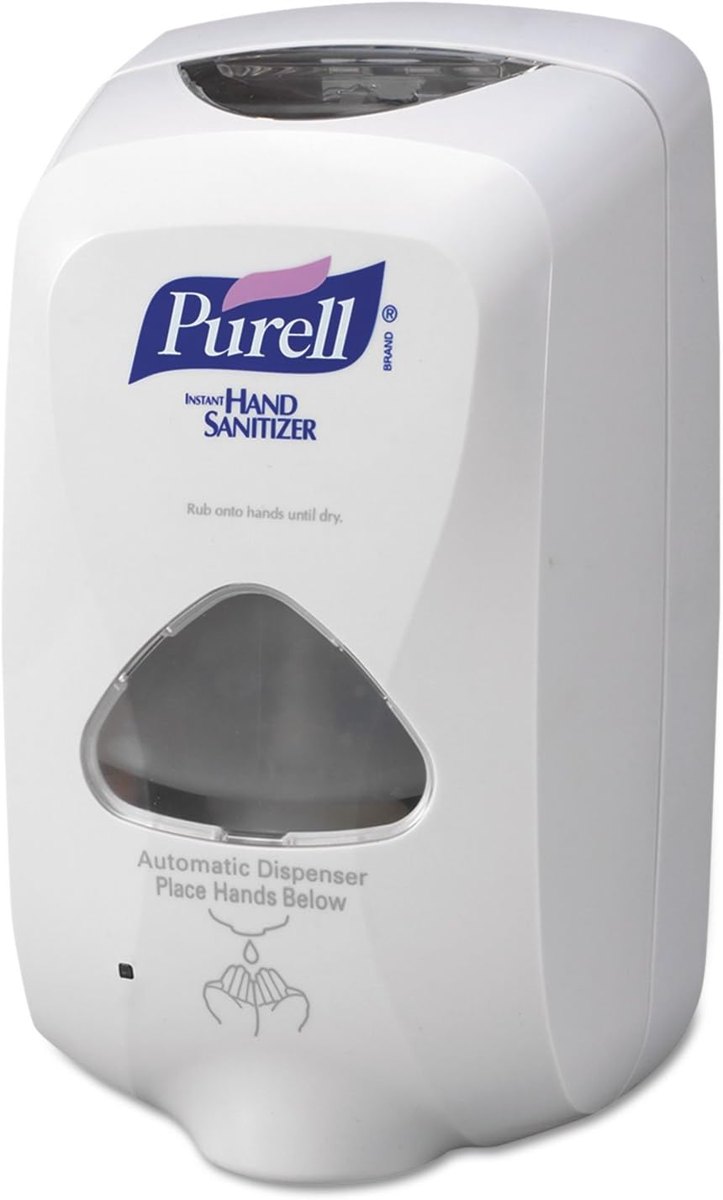
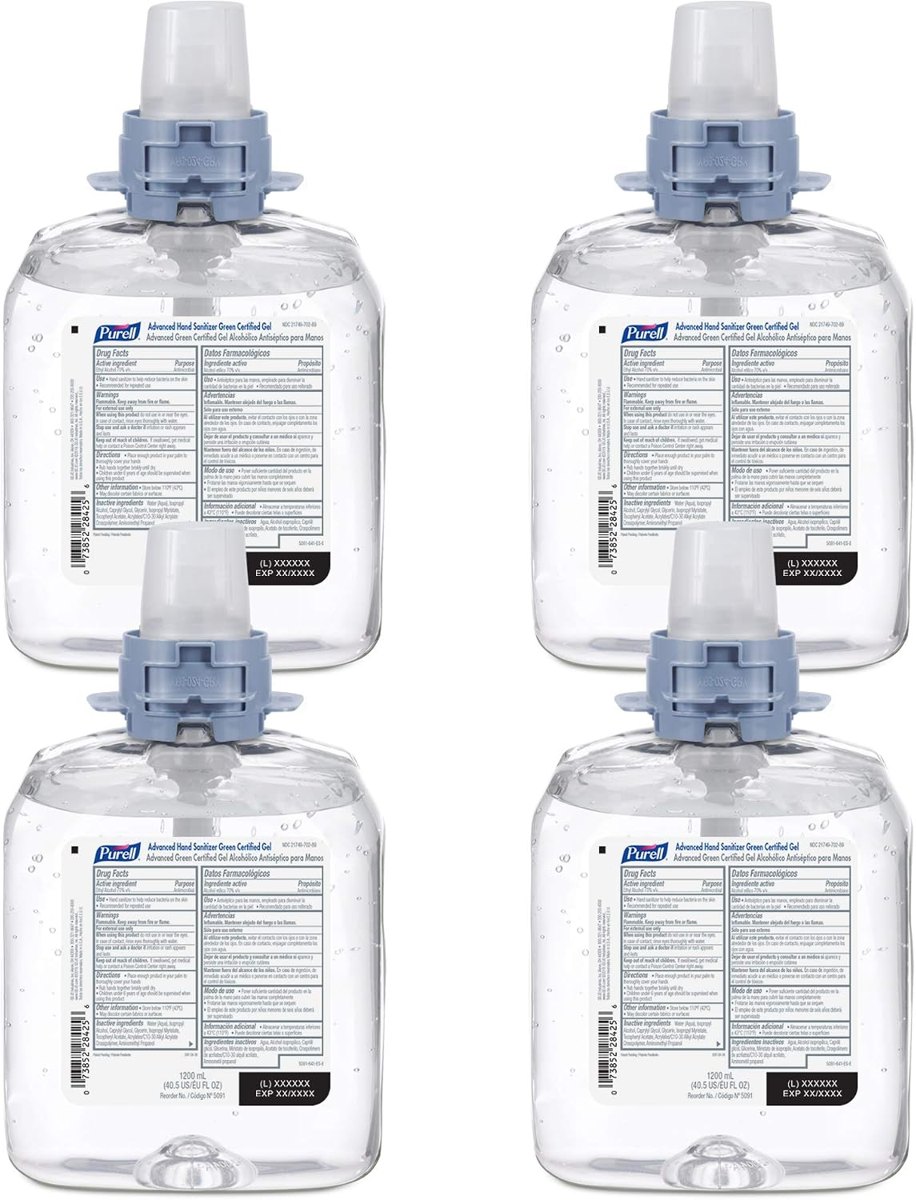
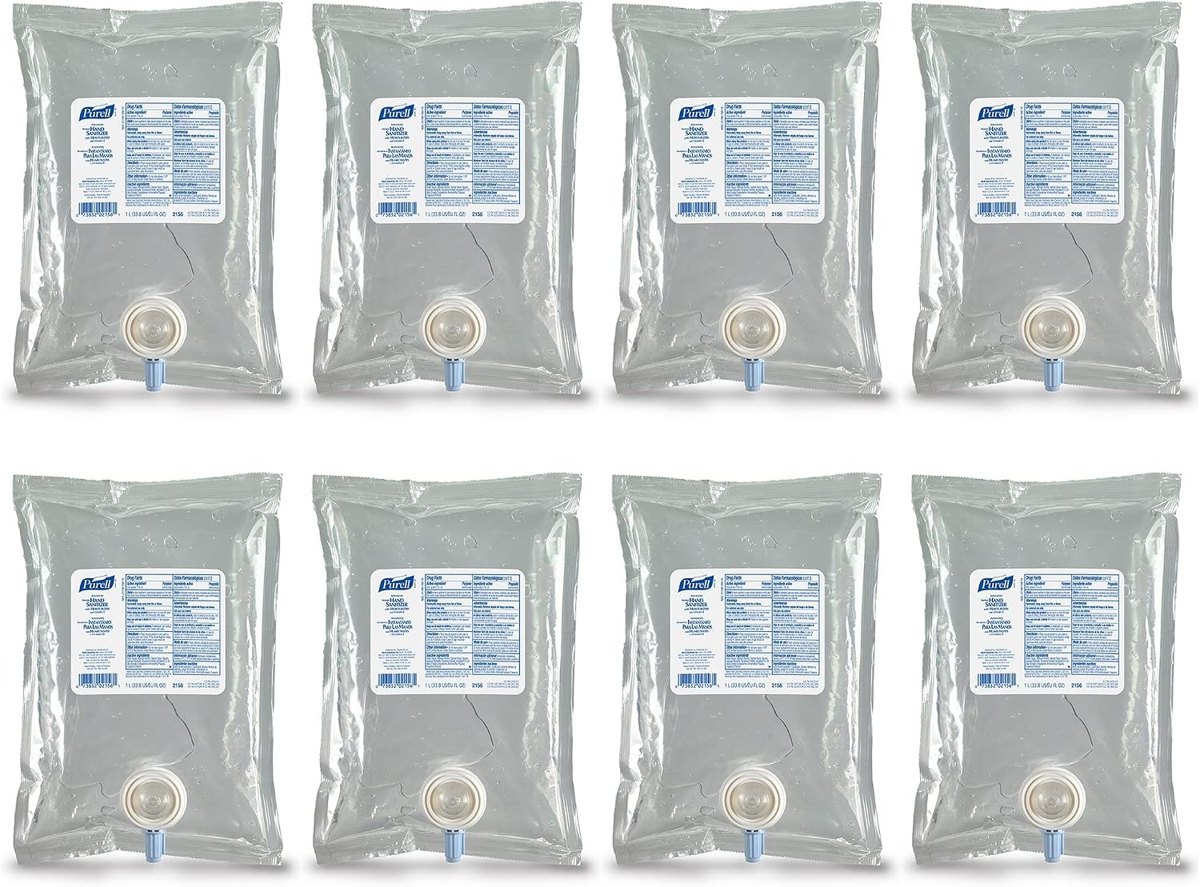
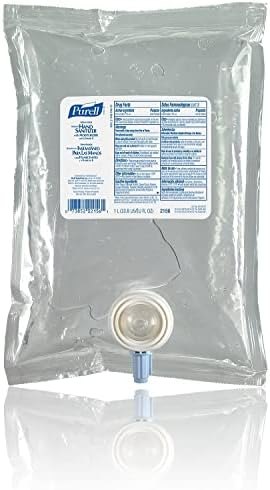
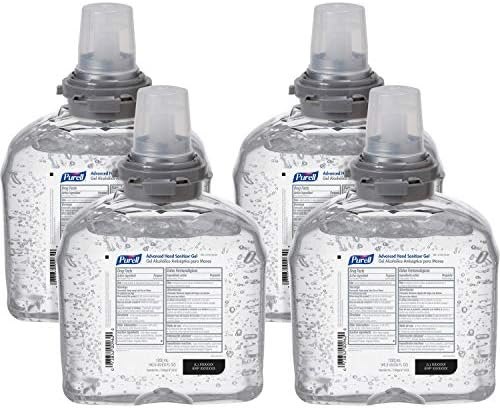
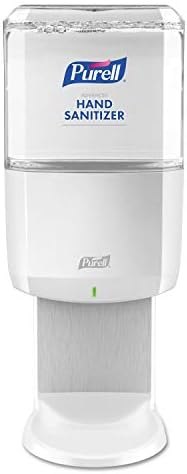
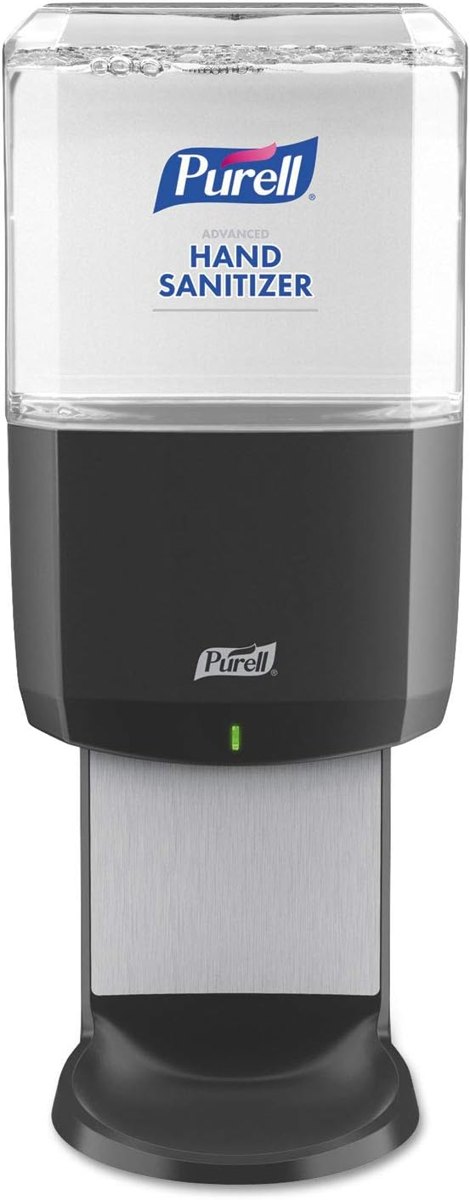
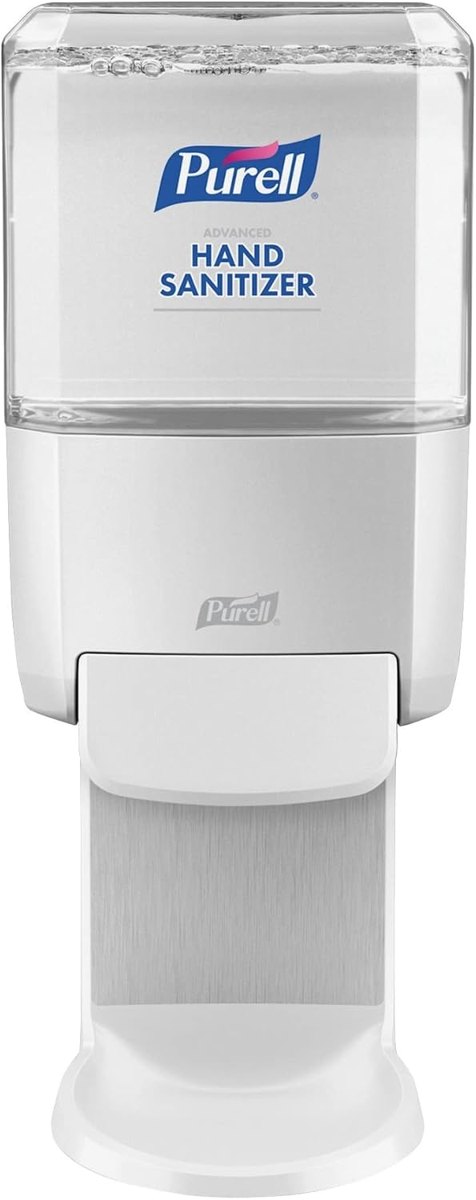
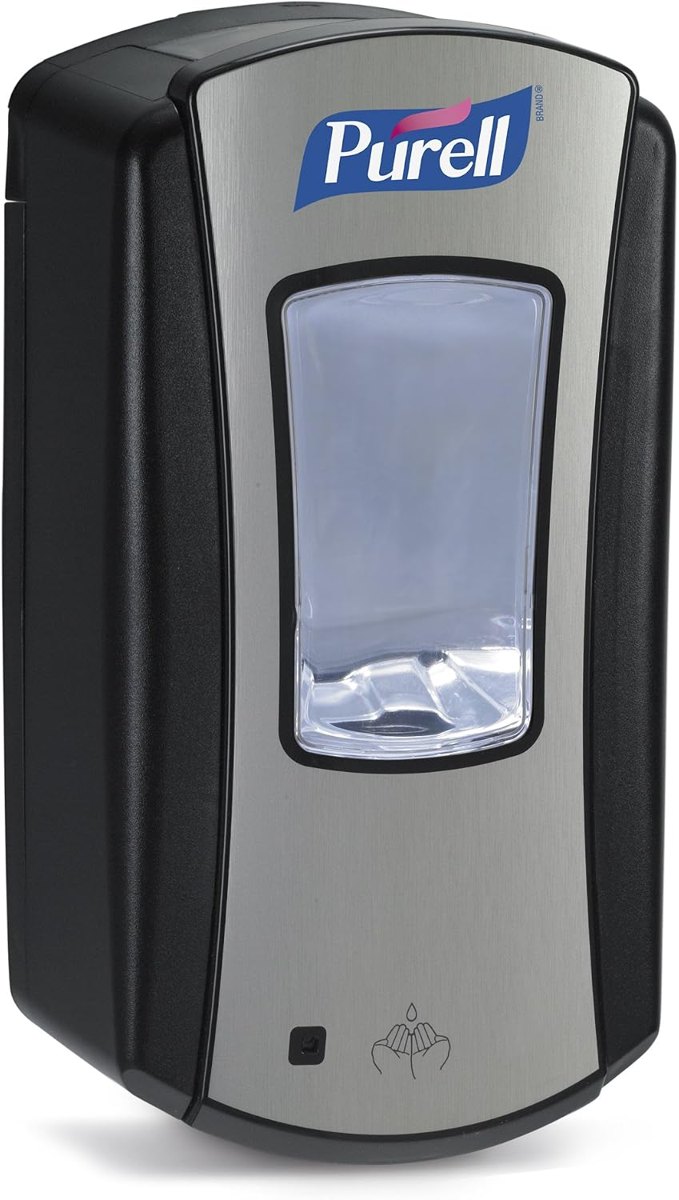
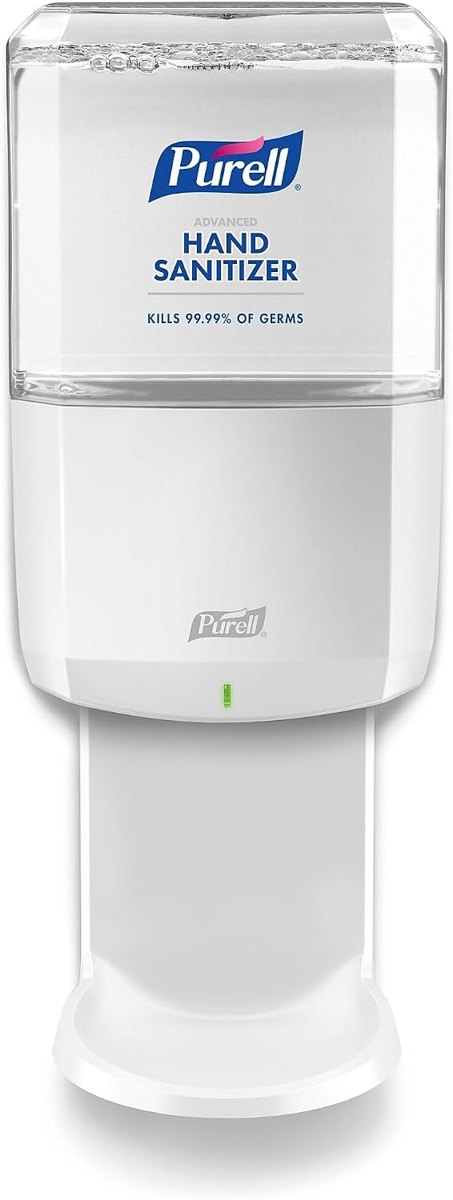
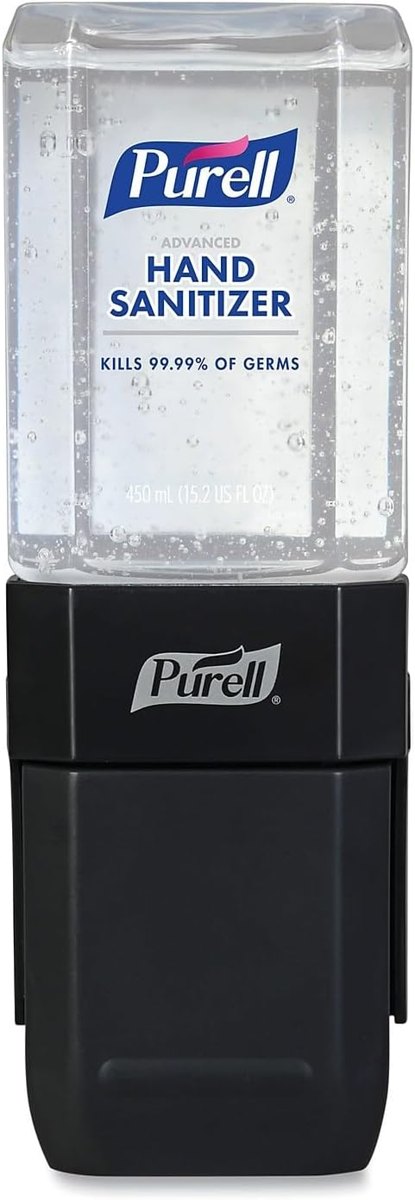
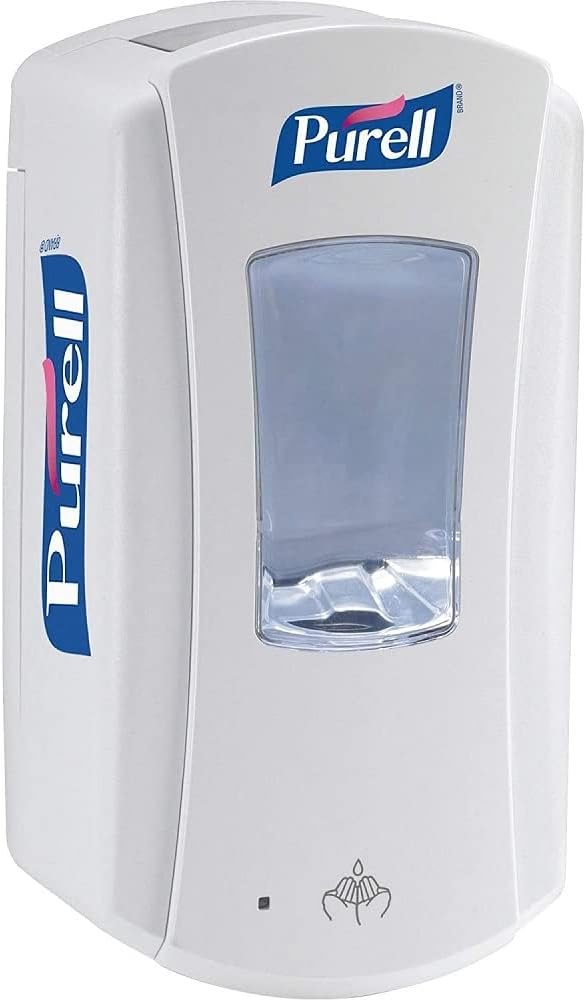
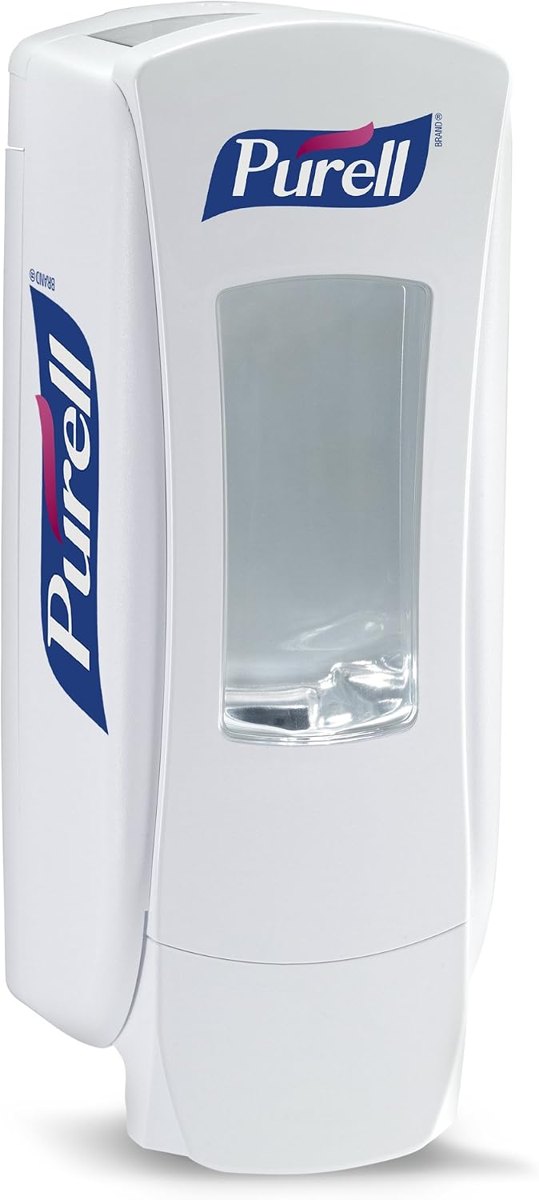
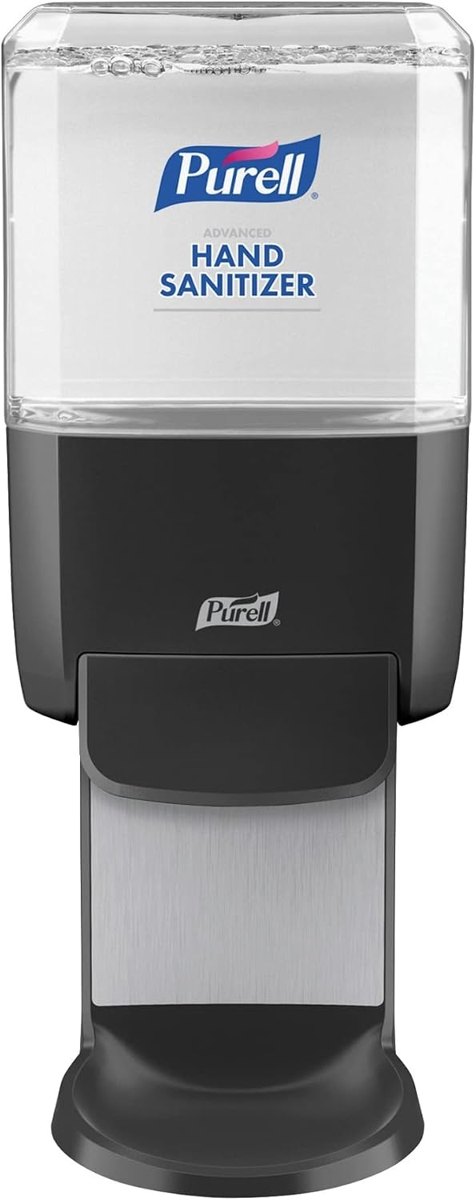
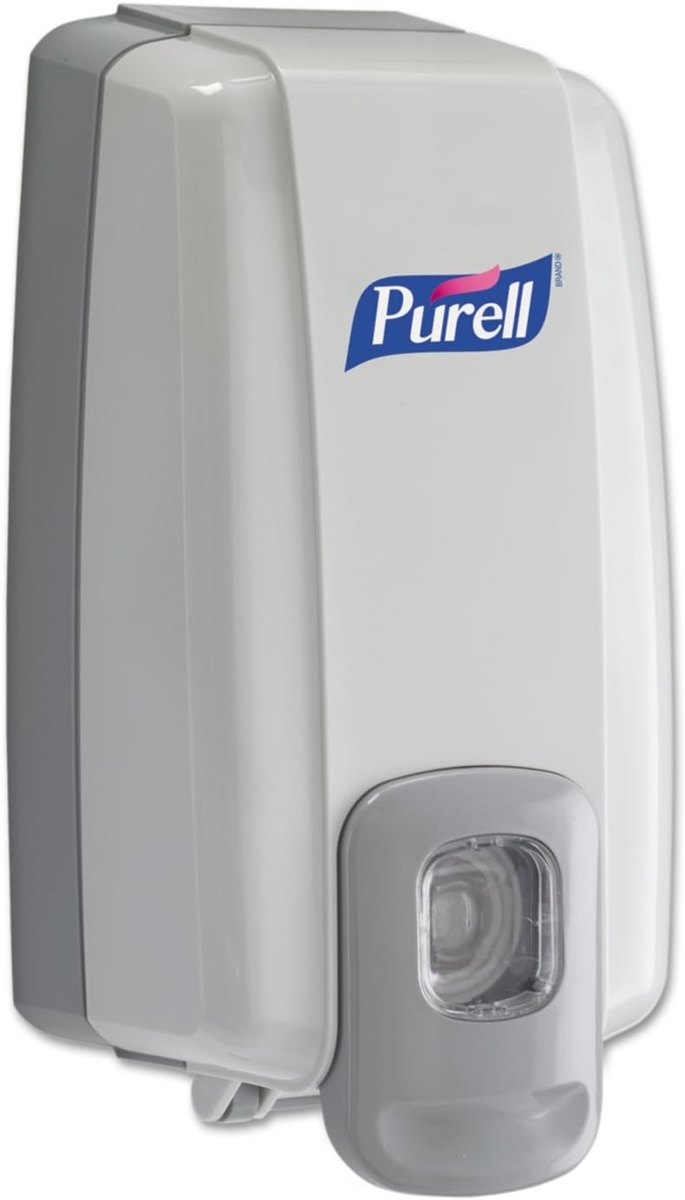
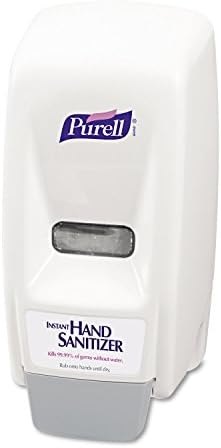
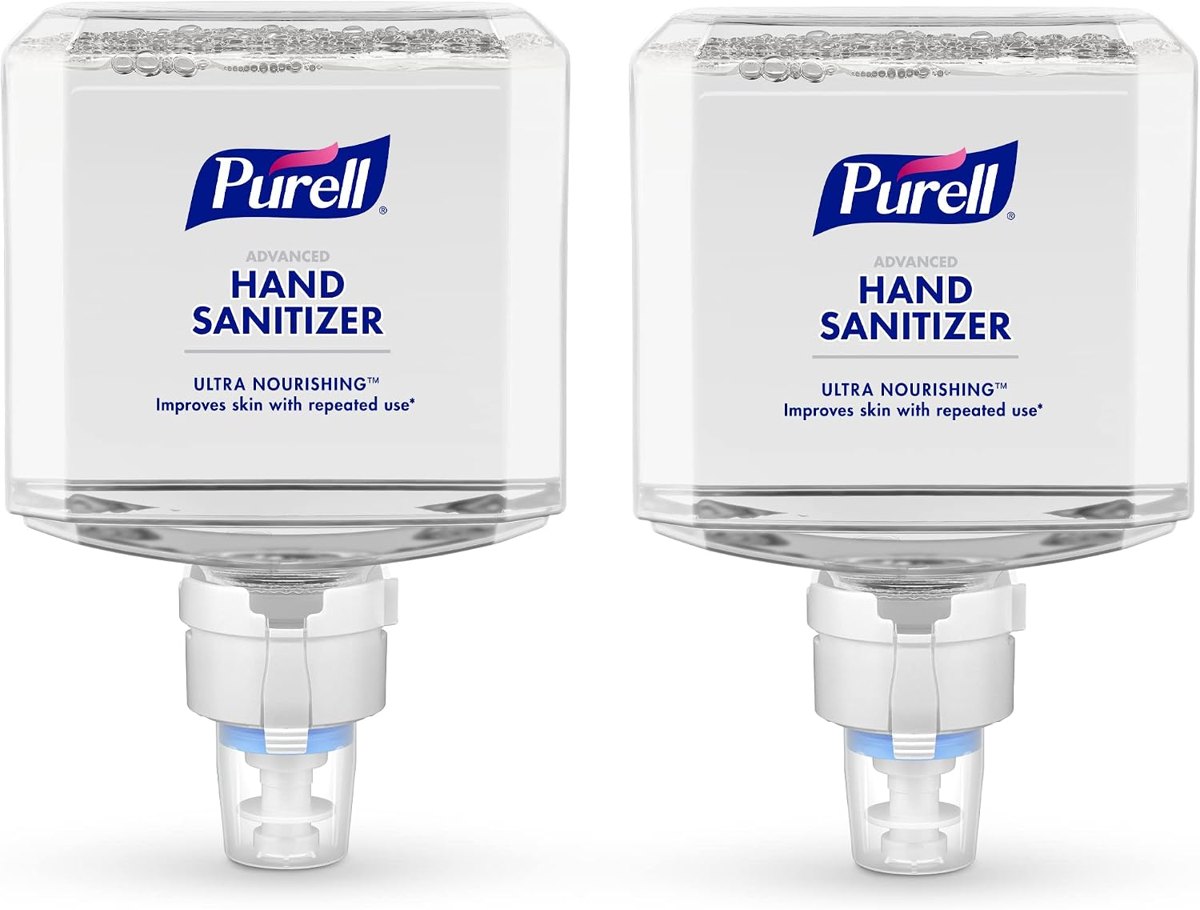
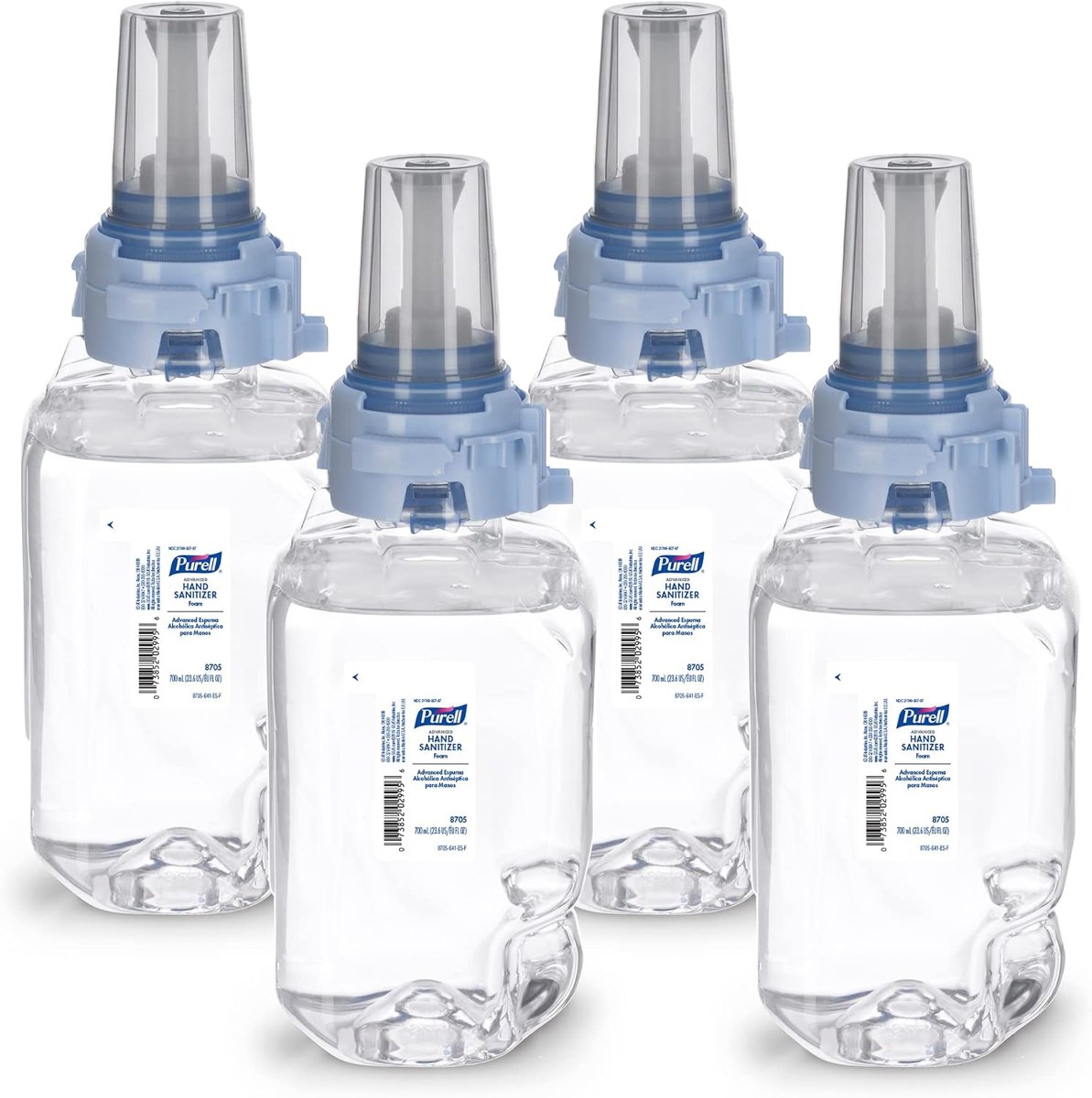
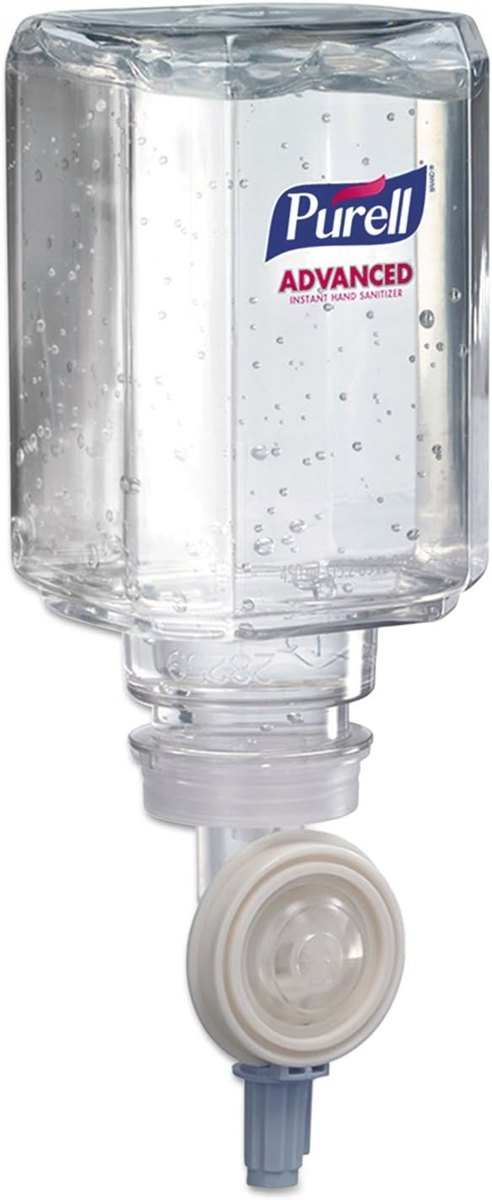
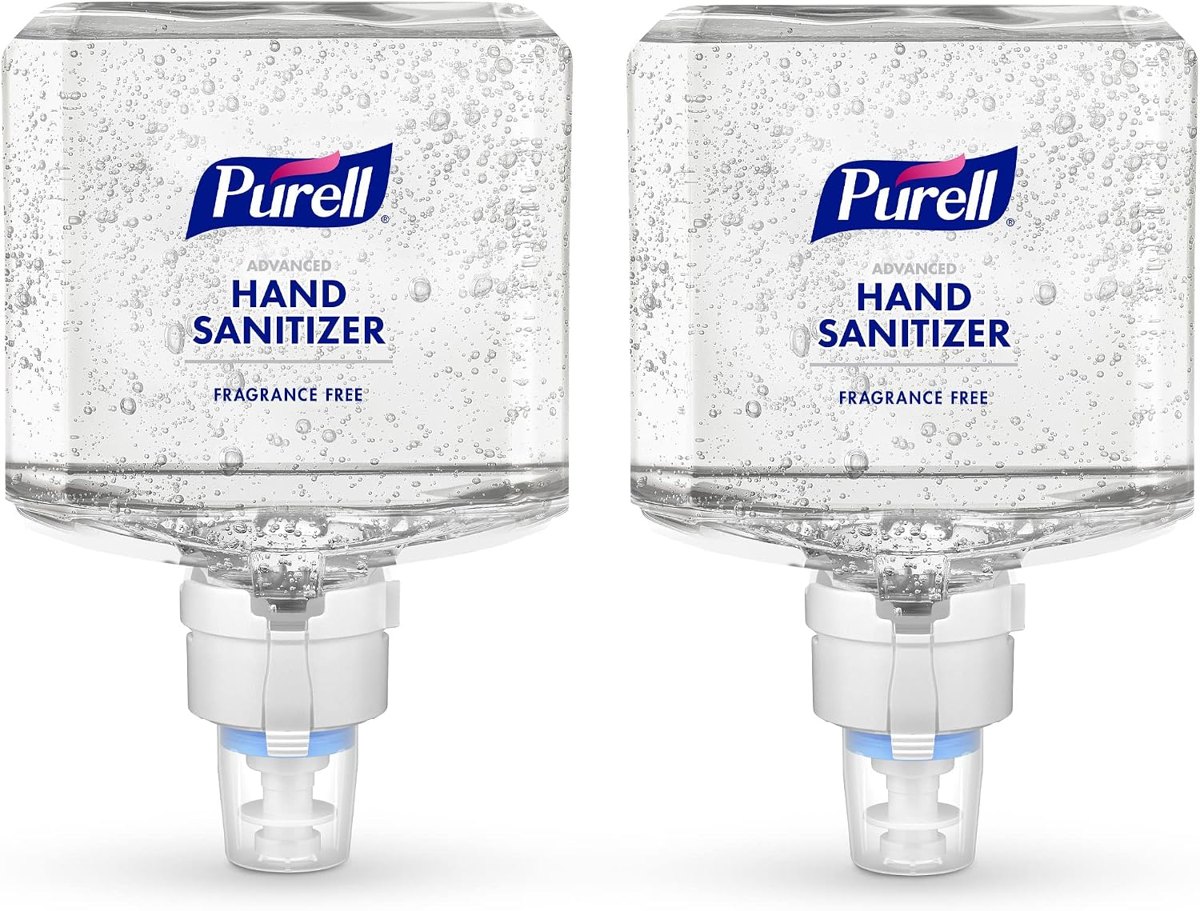
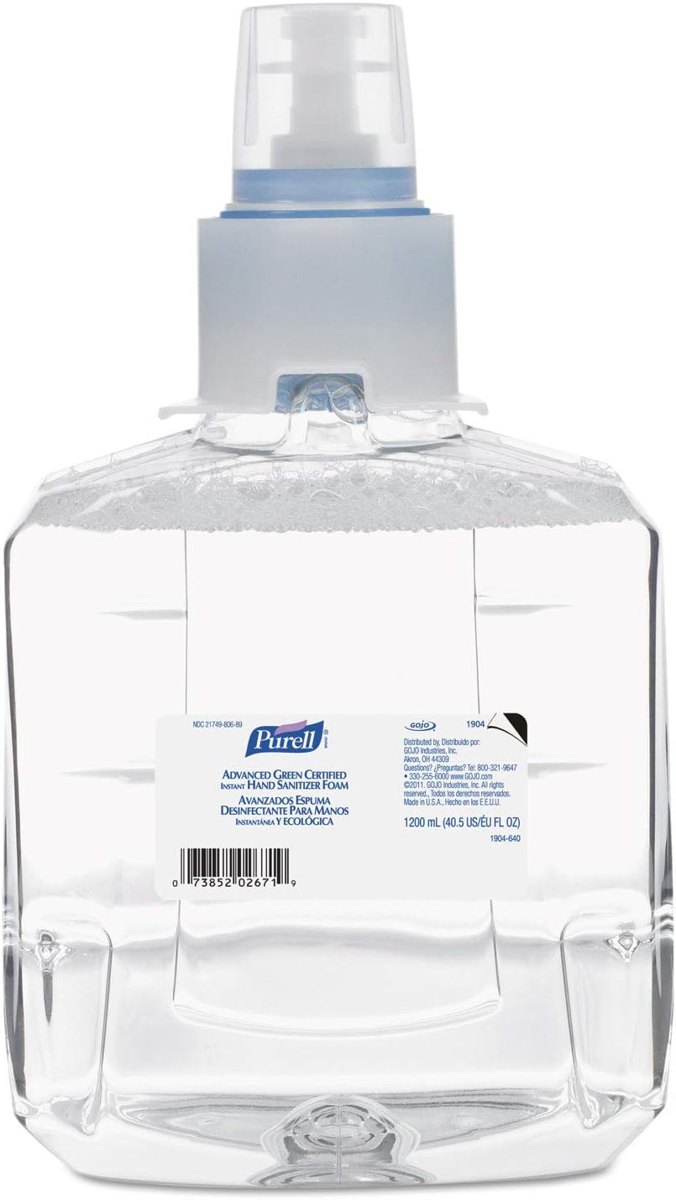
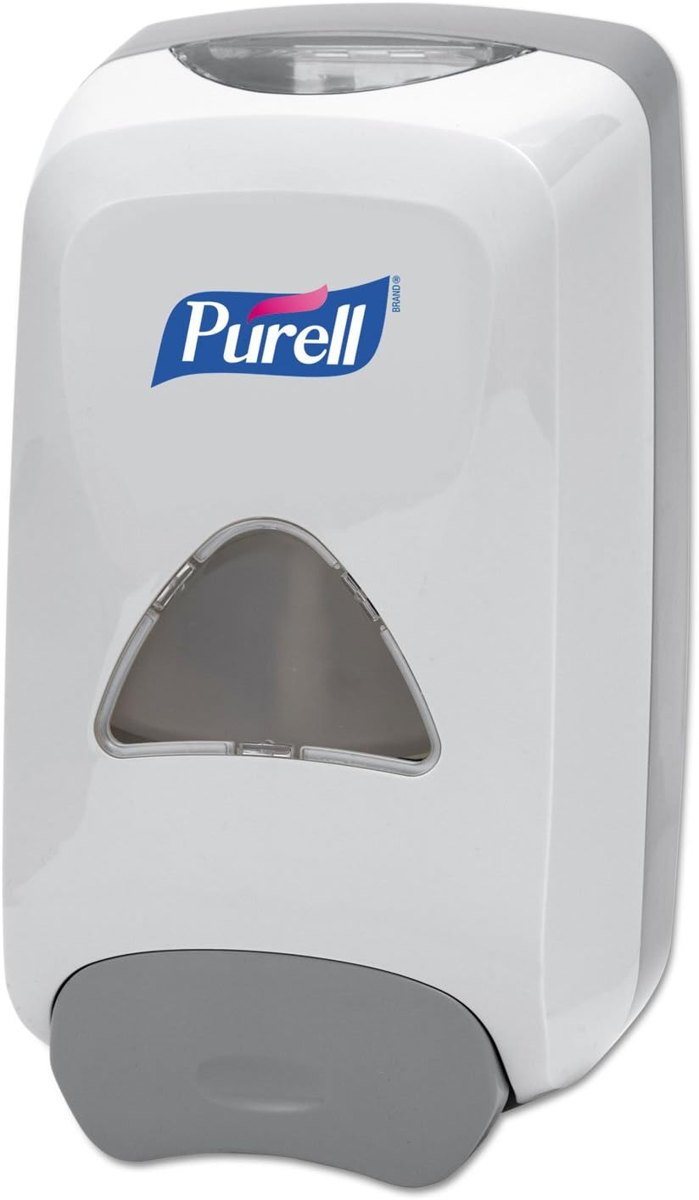
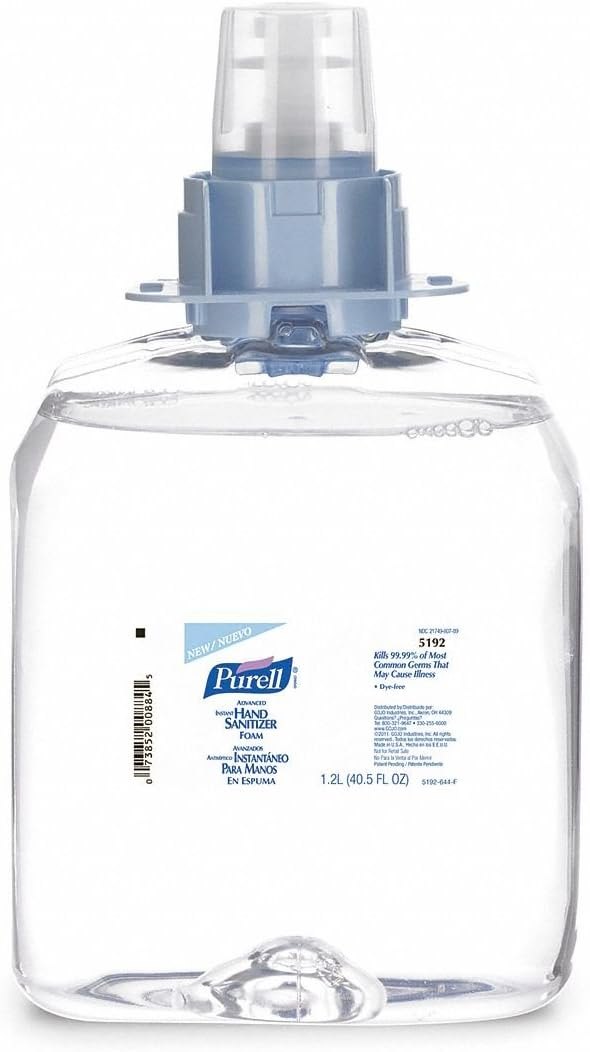
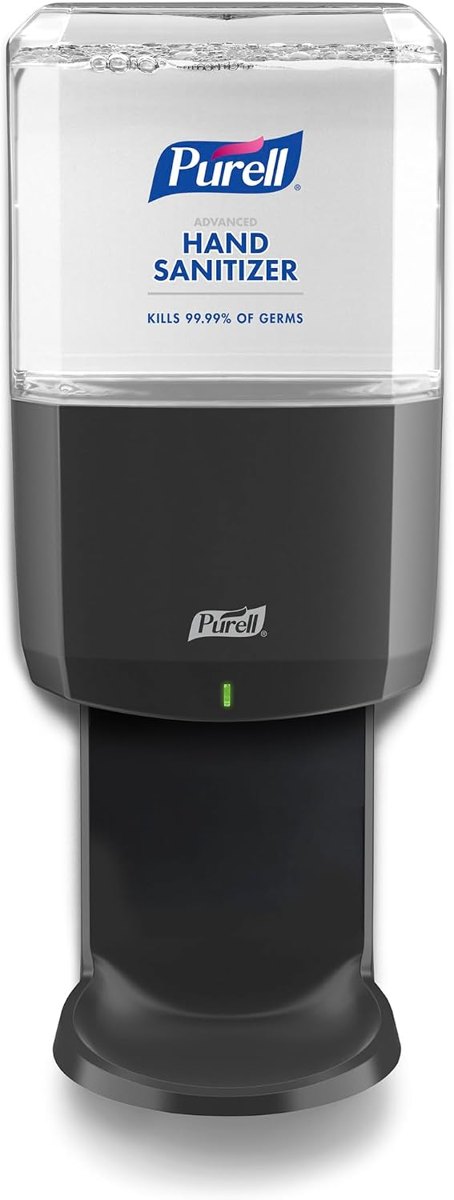
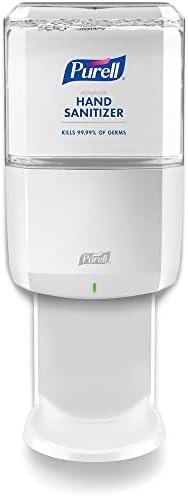
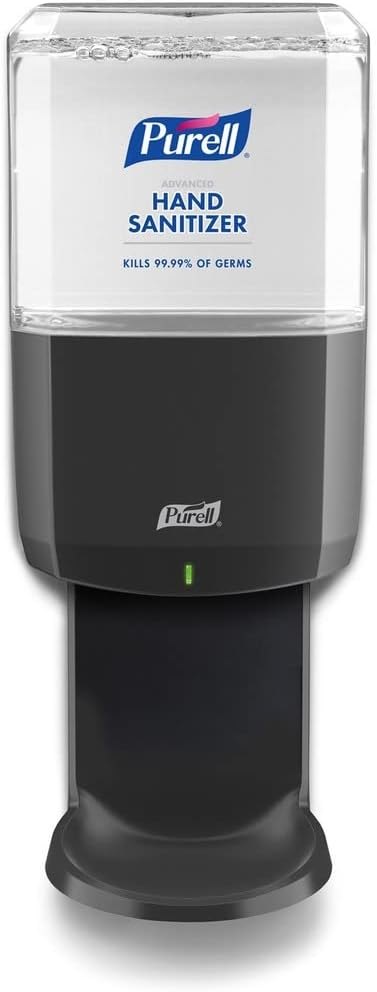
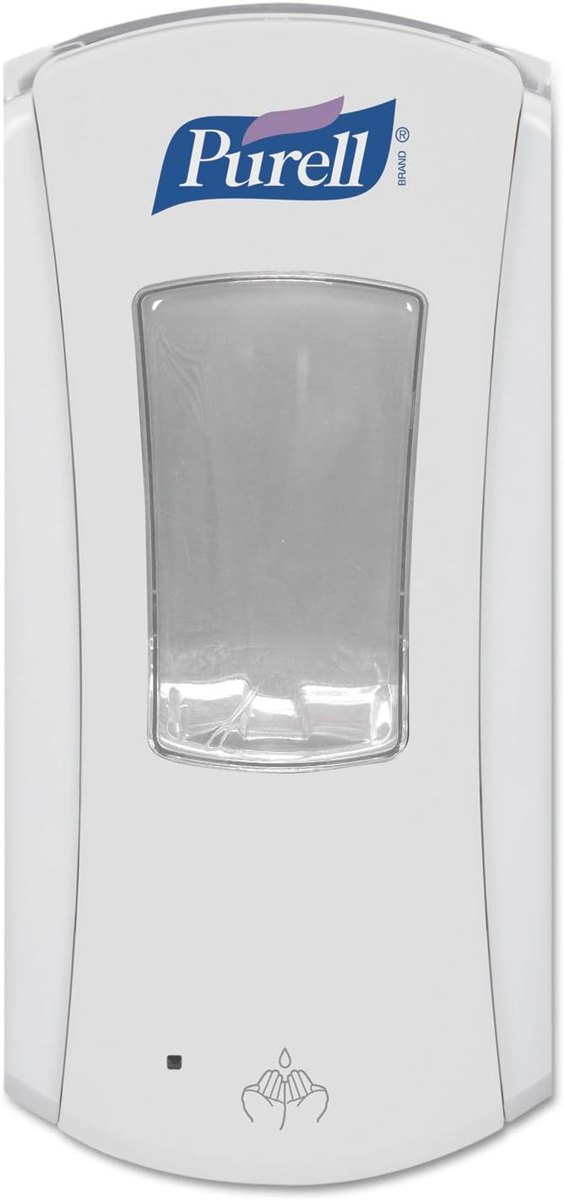
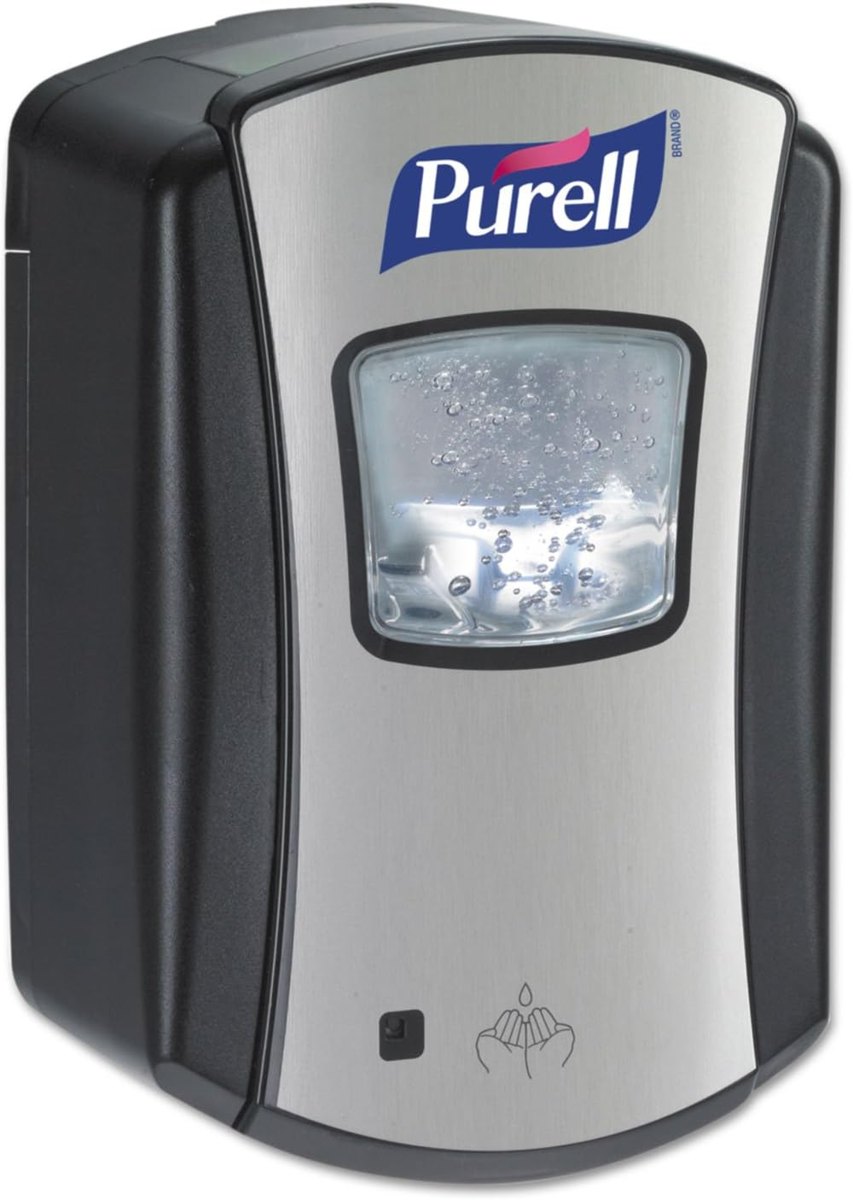
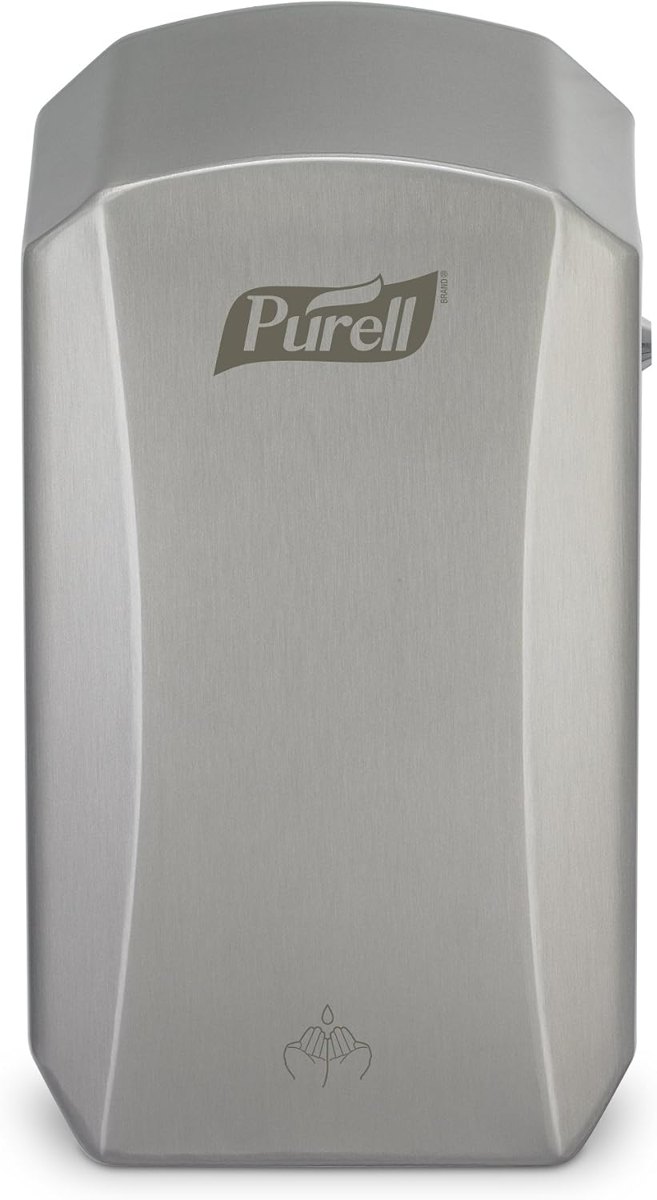
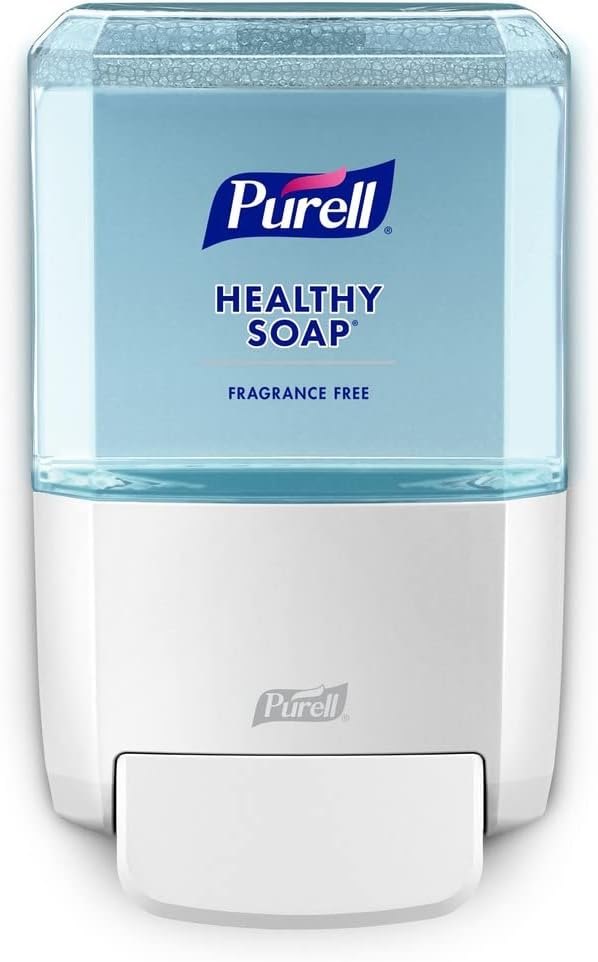
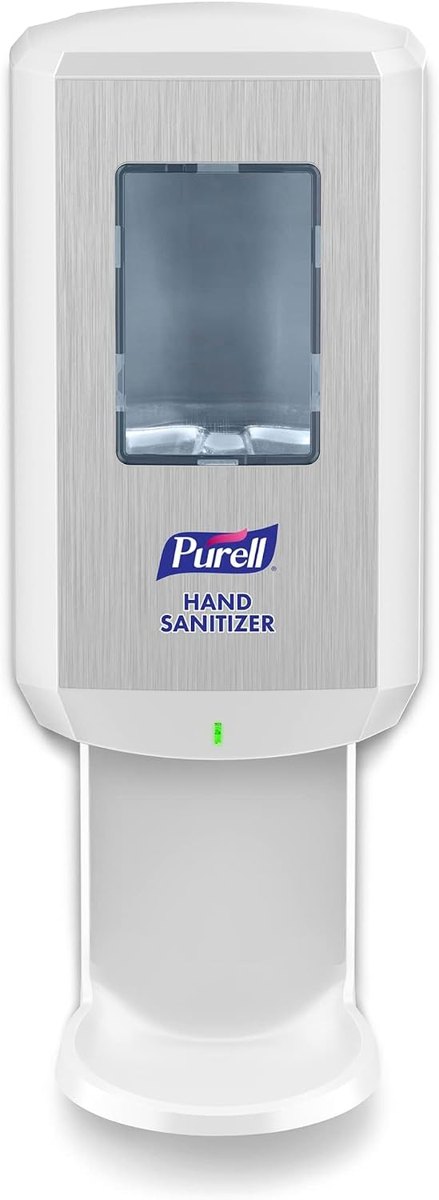
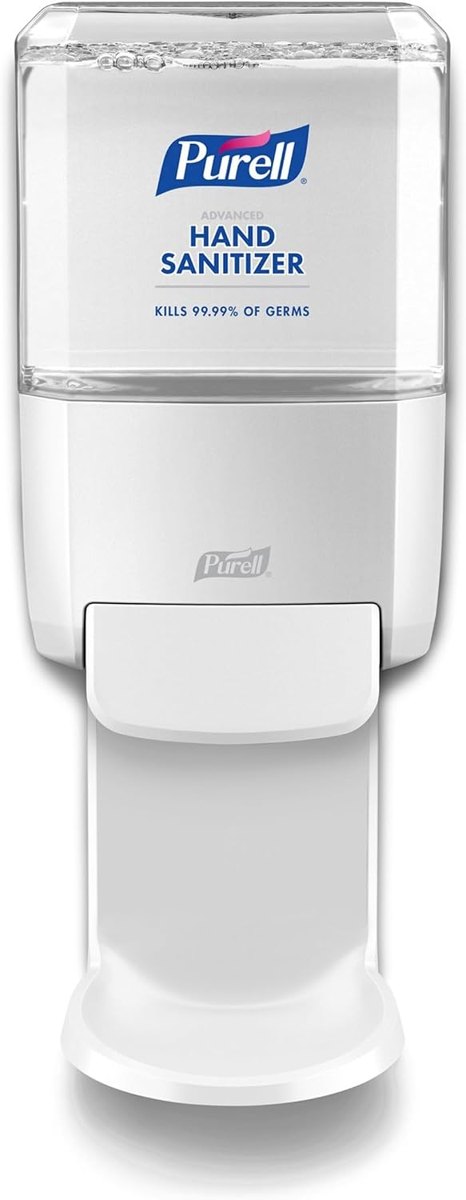
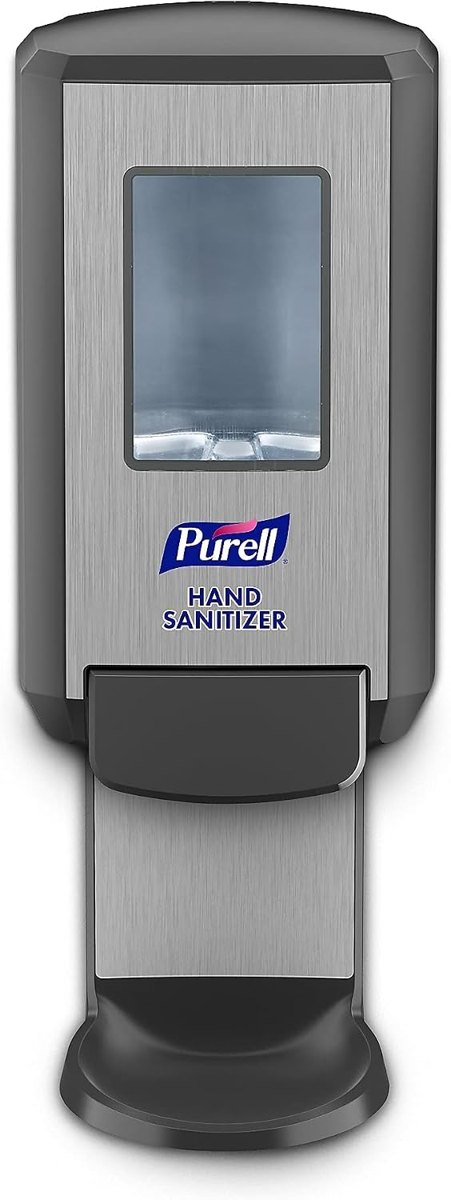
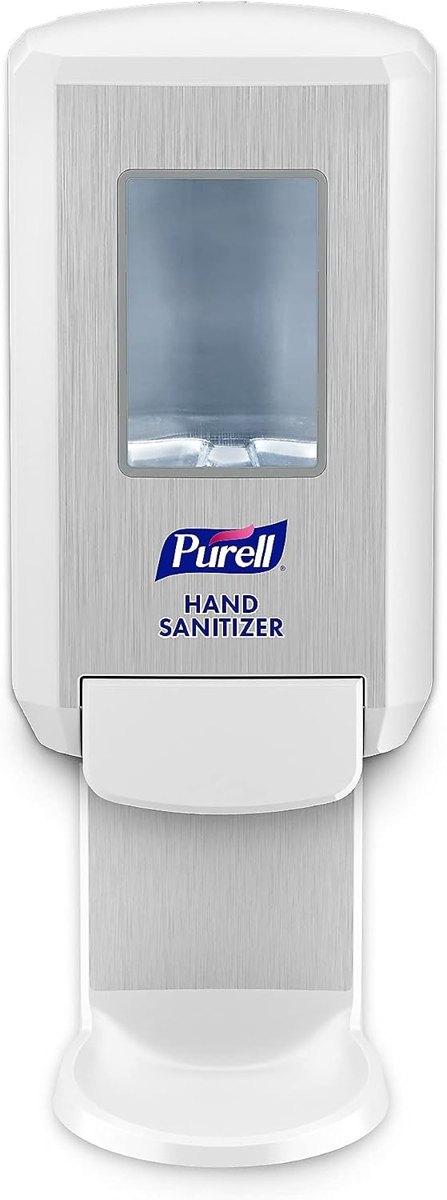
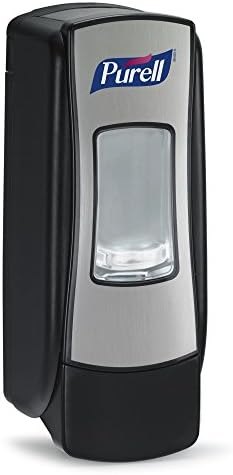
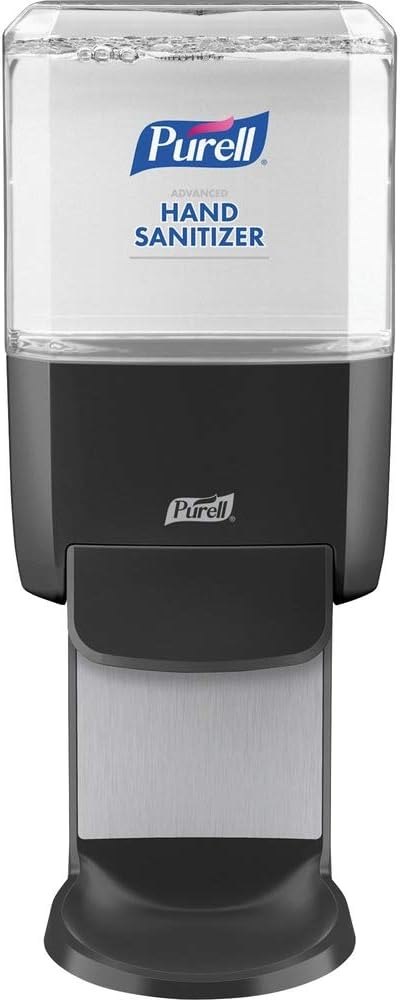
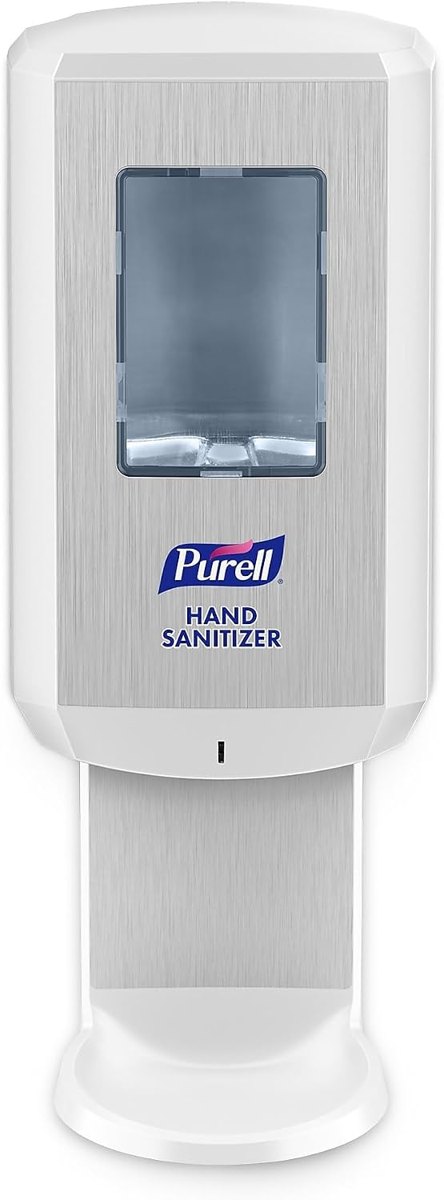
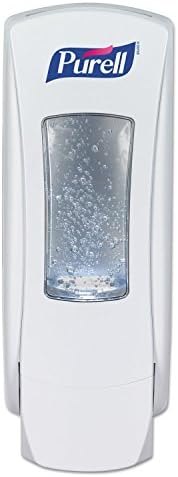
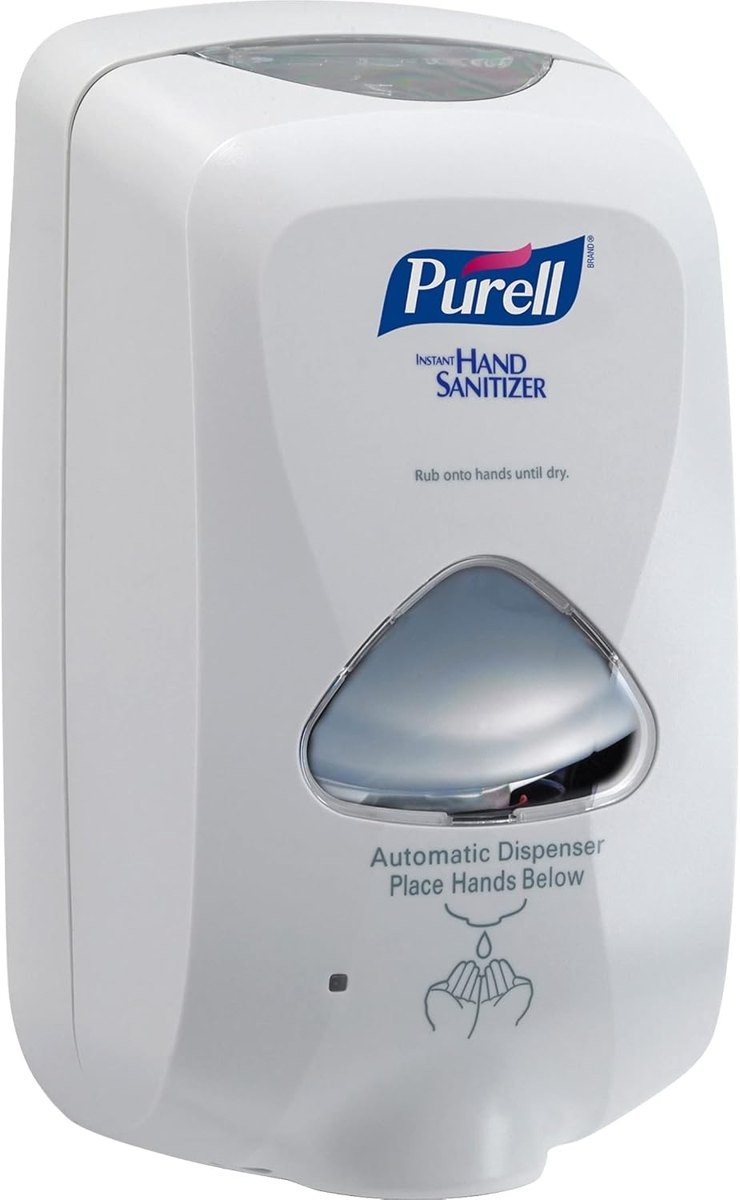
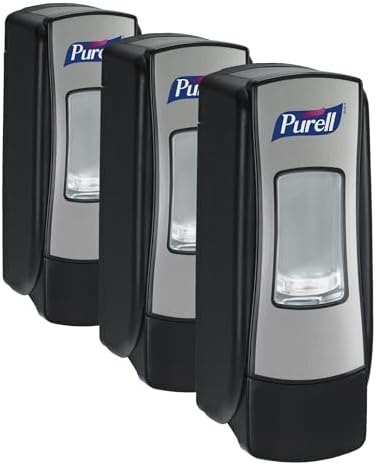
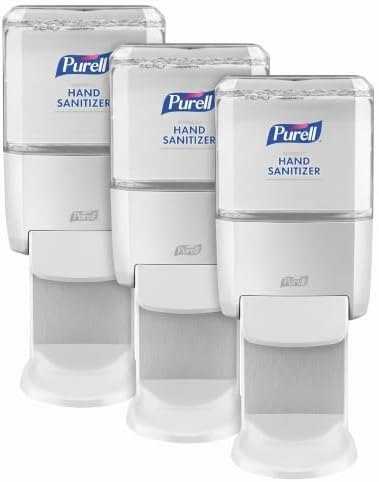
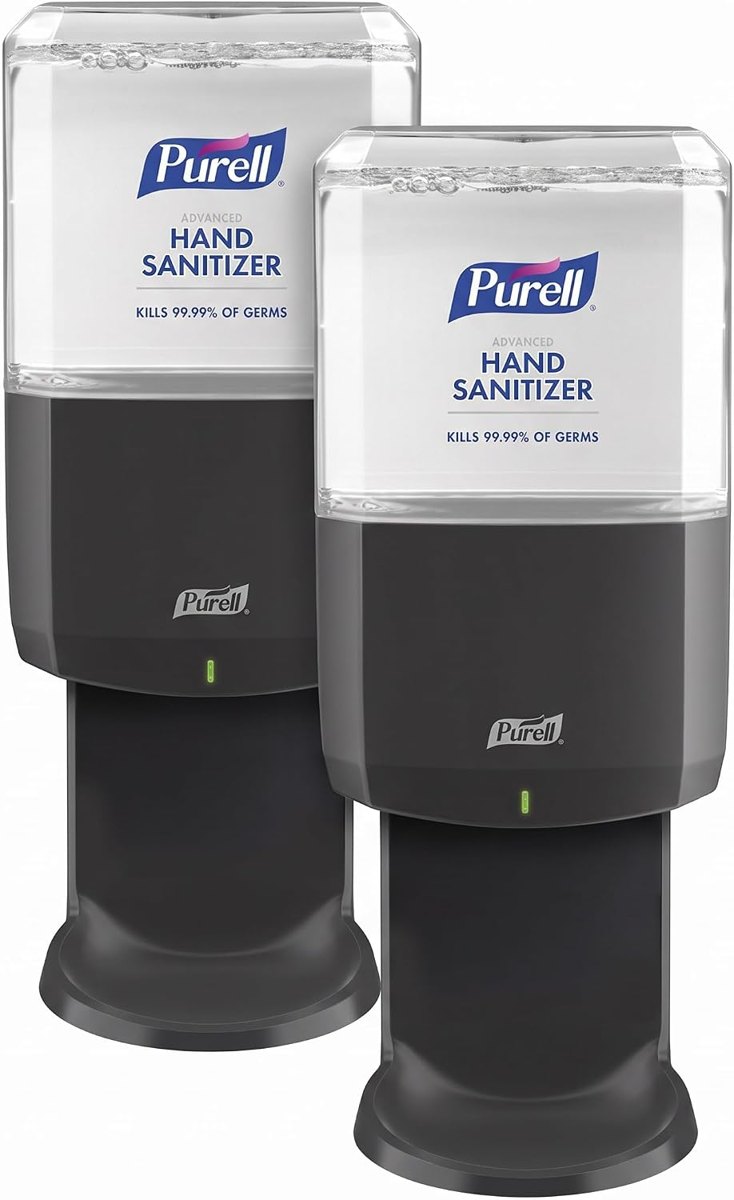
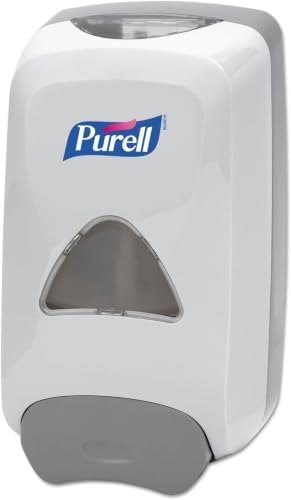
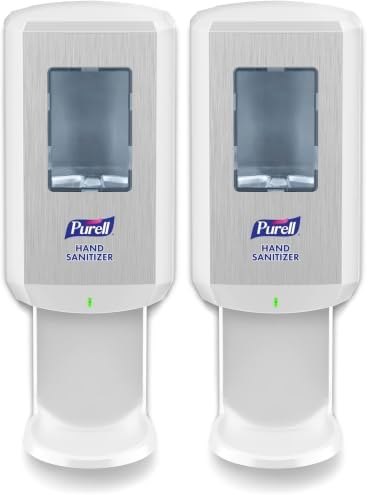
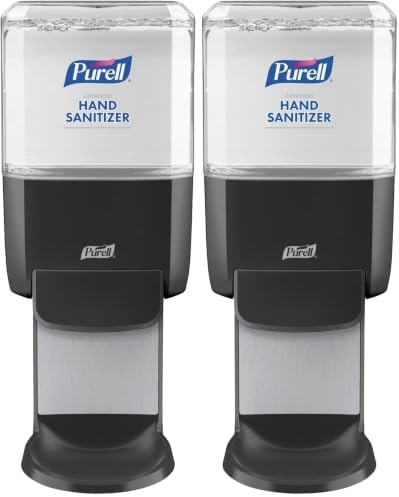
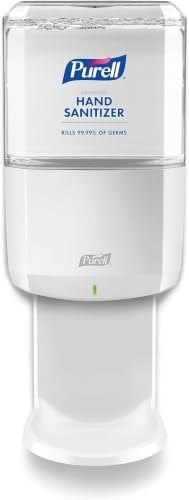
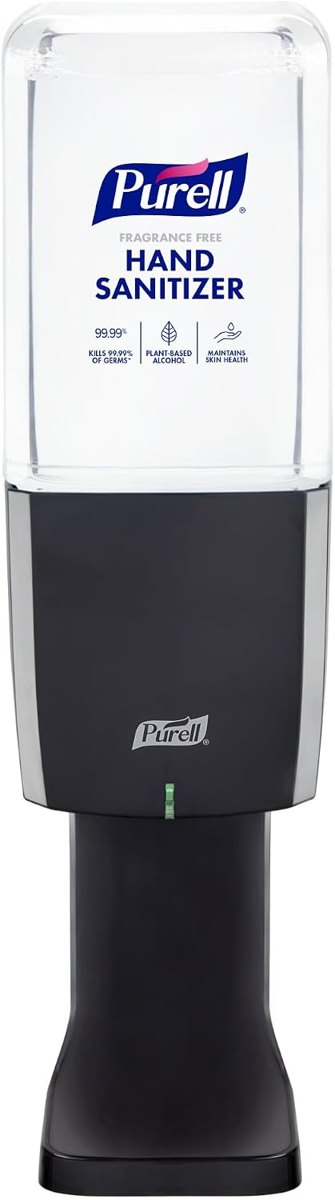
PURELL dispensers come in families, and each family takes only its own refill. ES4 and CS4 are push-style wall mounts for 1200 and 1250 mL refills, with a large sight window and a lockable cover; ES1 is the compact push-style for 450 mL; CS2 and NXT are the slim manual units for 1000 mL; ADX-7 and ADX-12 push-style take 700 and 1200 mL; FMX-12 and FMX-20 are push-style foam dispensers for 1200 and 2000 mL. The touch-free units, ES6, ES8, ES10, CS6, CS8, LTX-7, LTX-12 and TFX, dispense a controlled dose at a wave of the hand, and on the ES and CS systems the energy comes built into the refill, so there are no batteries to change.
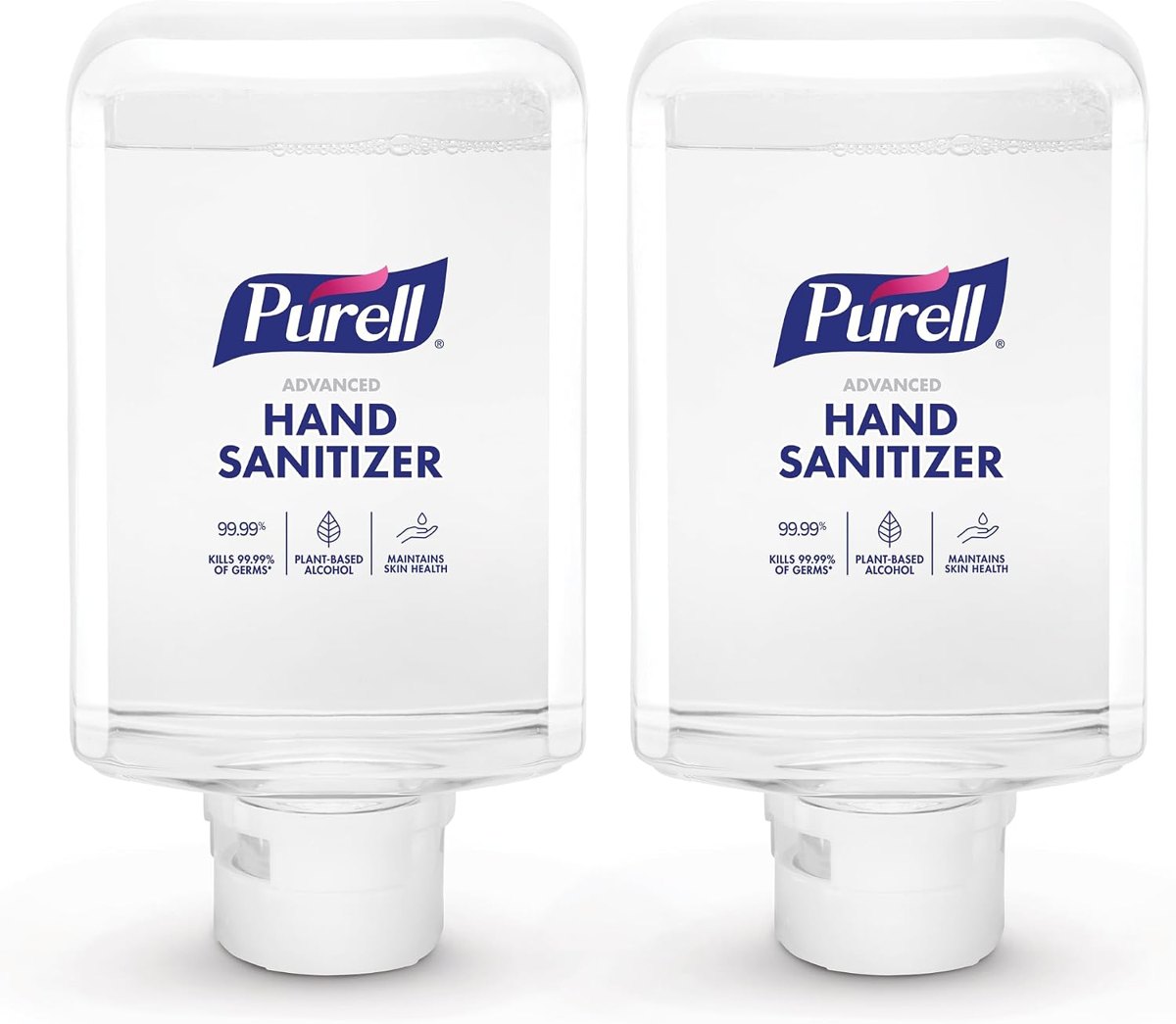
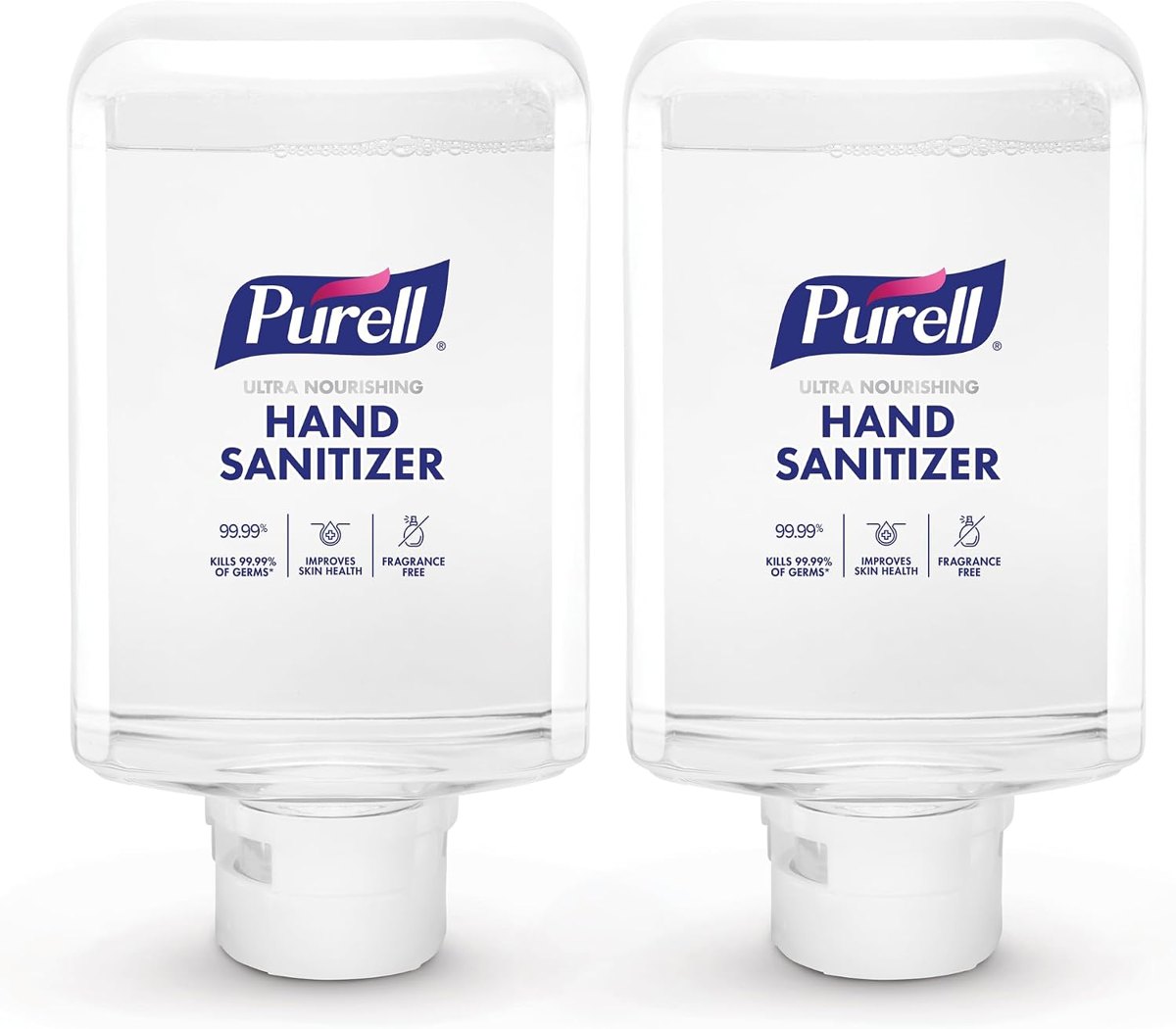
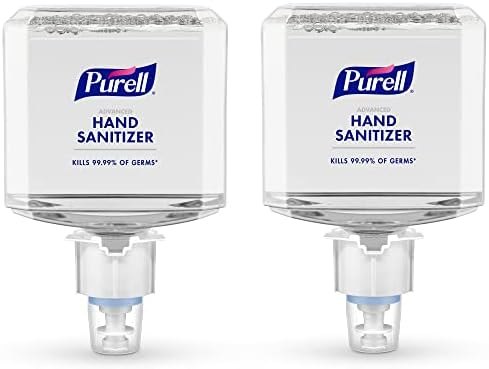
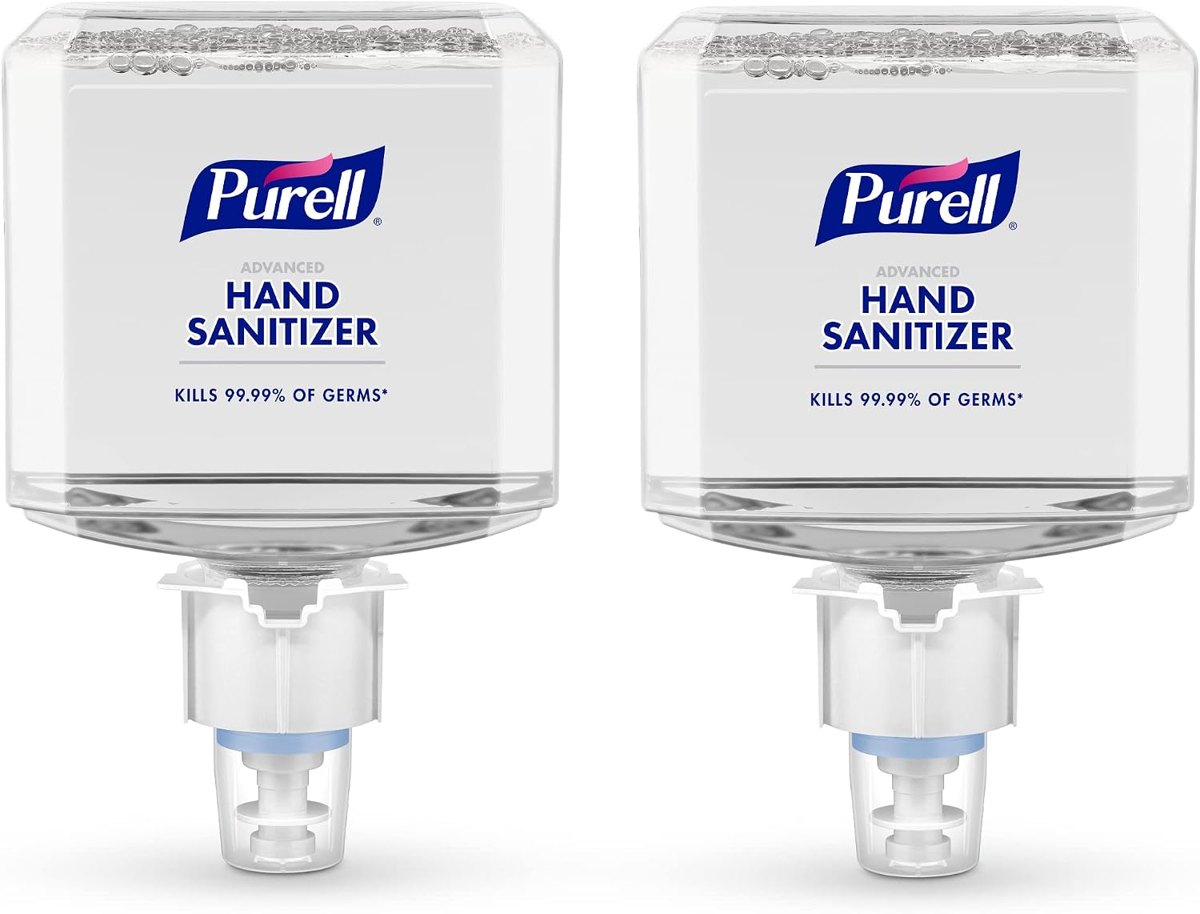
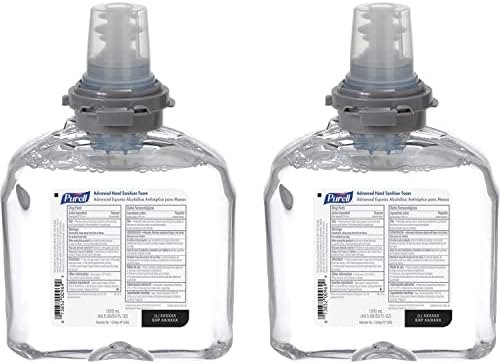
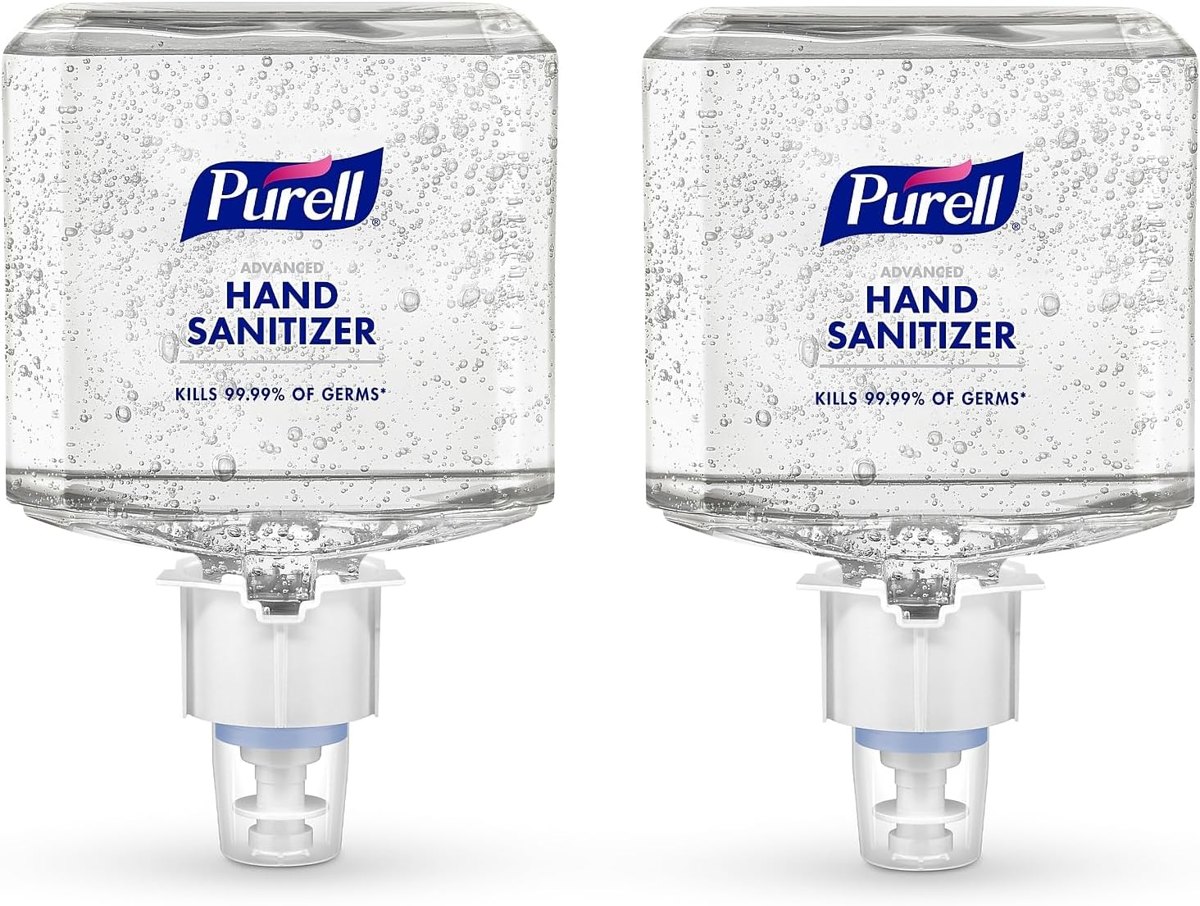
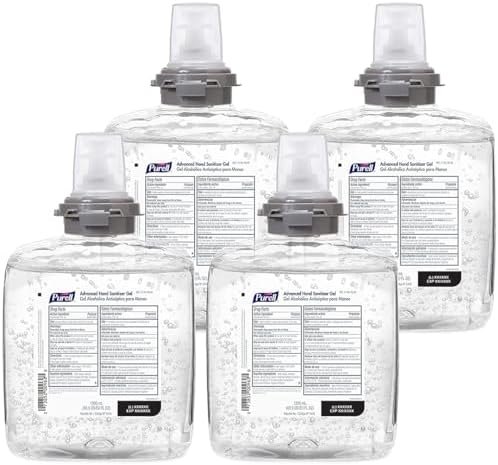
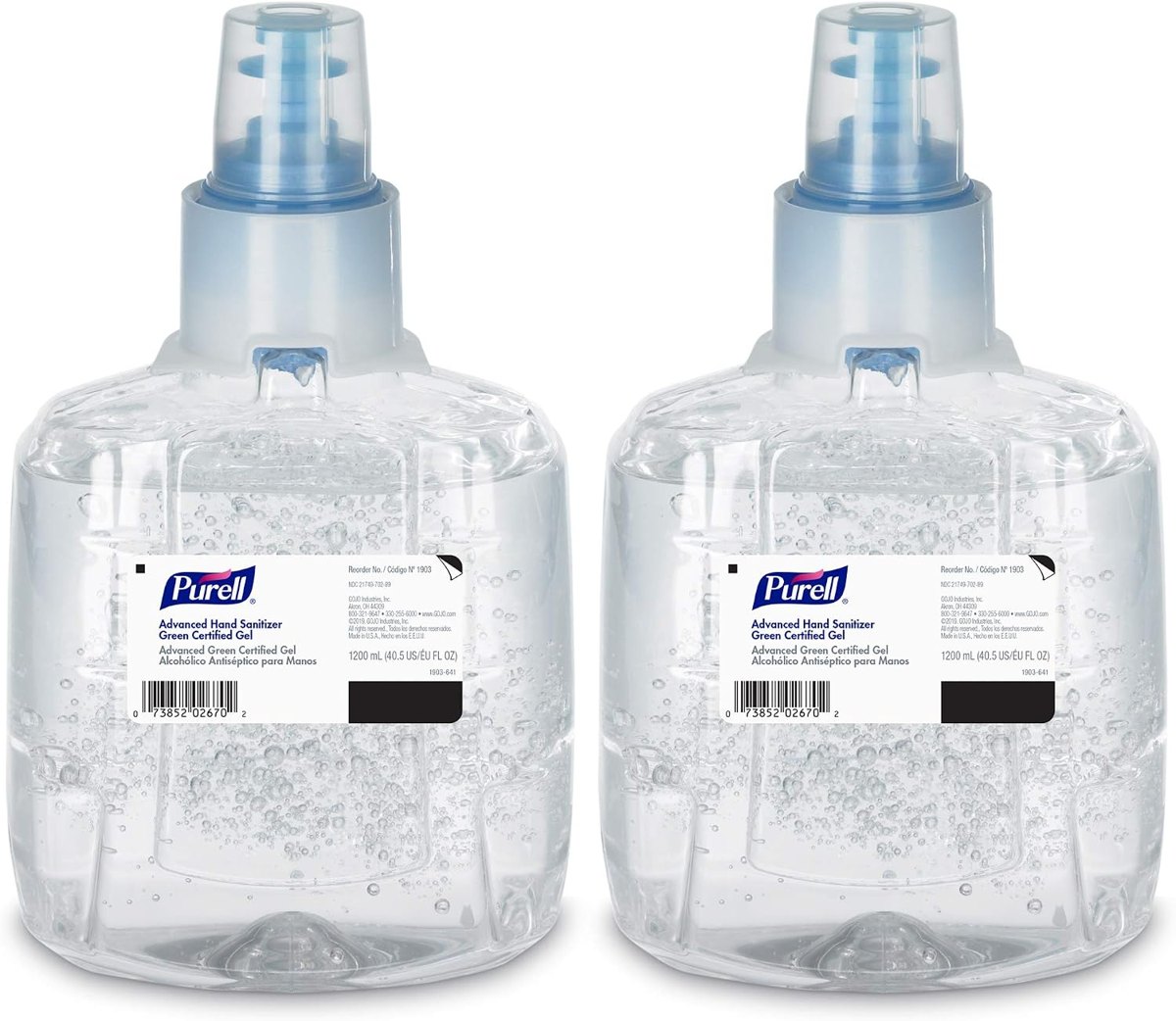
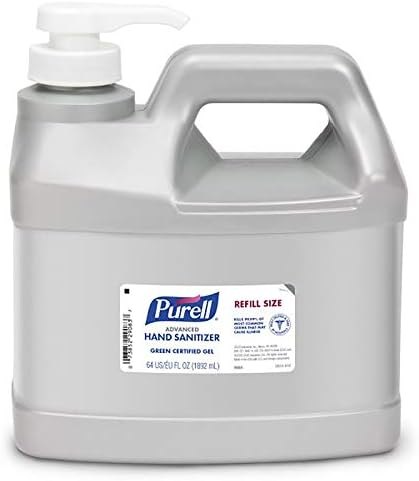
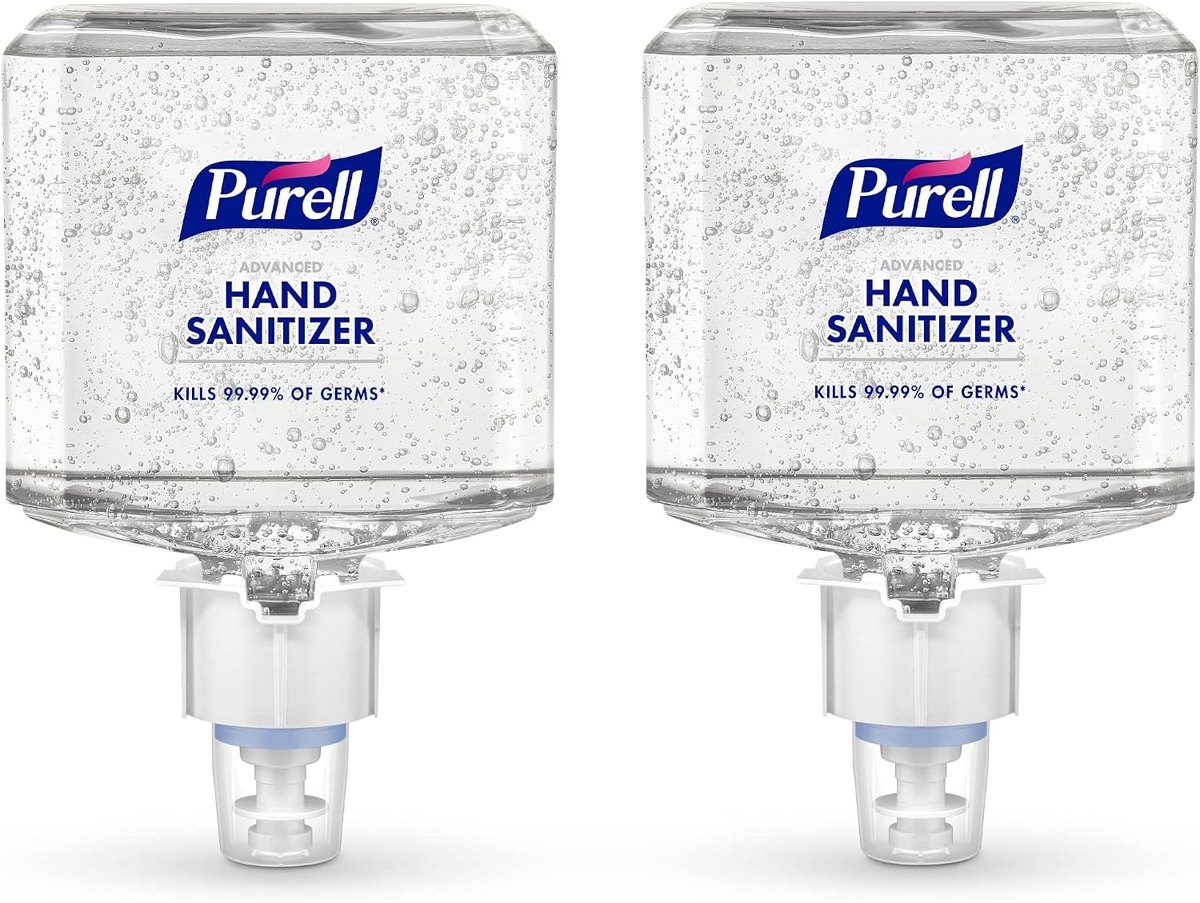
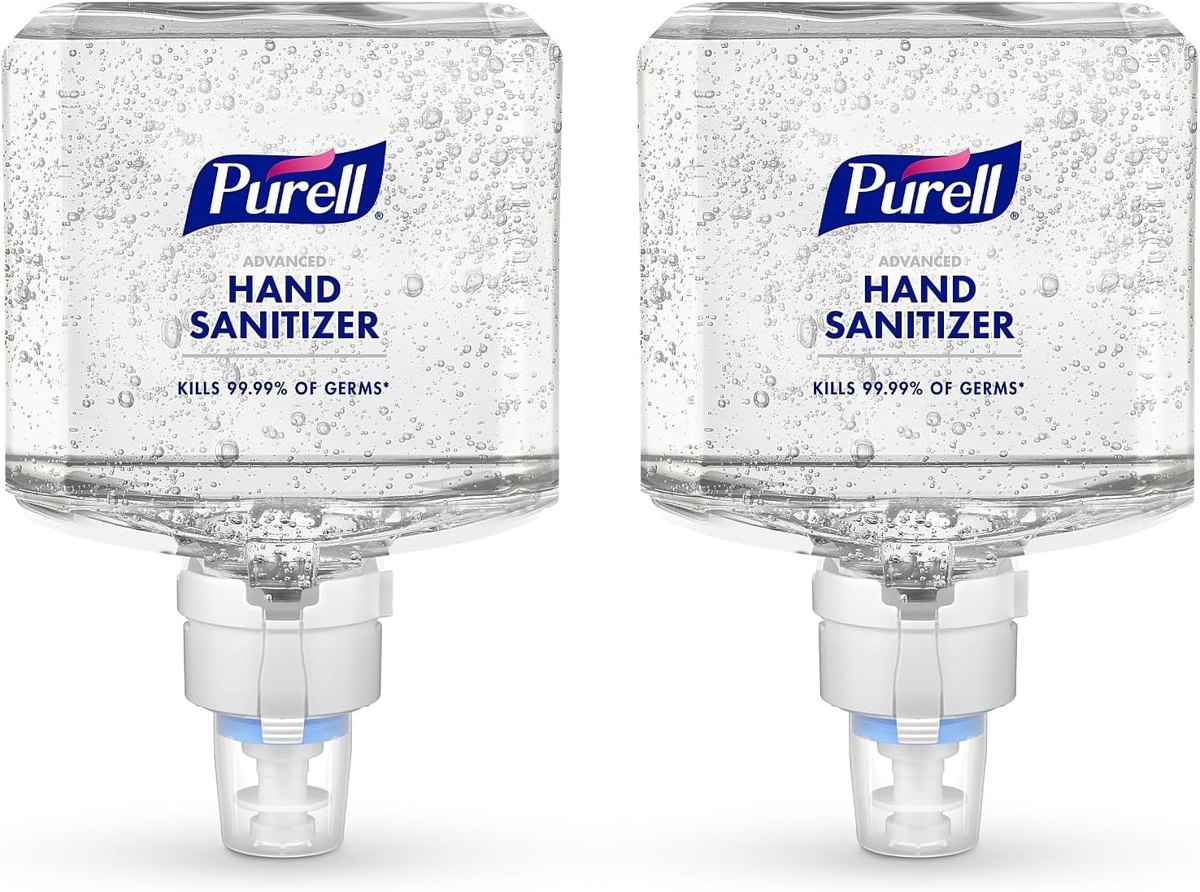
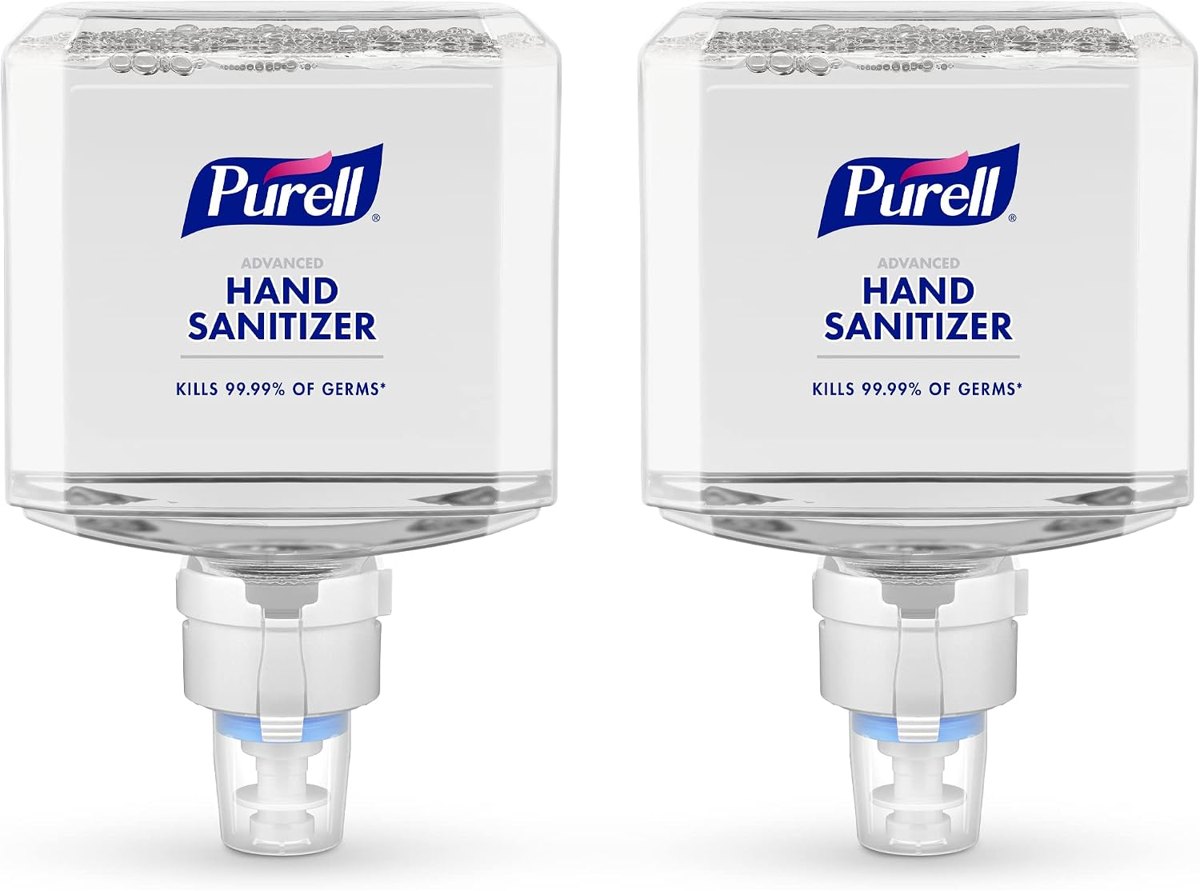
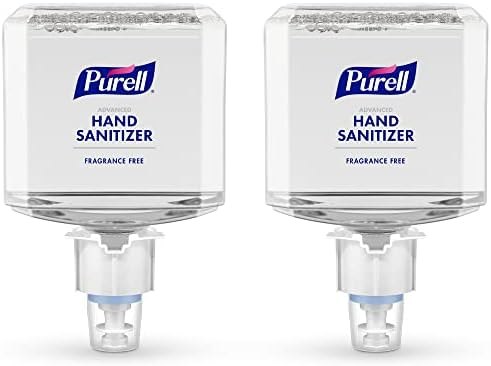
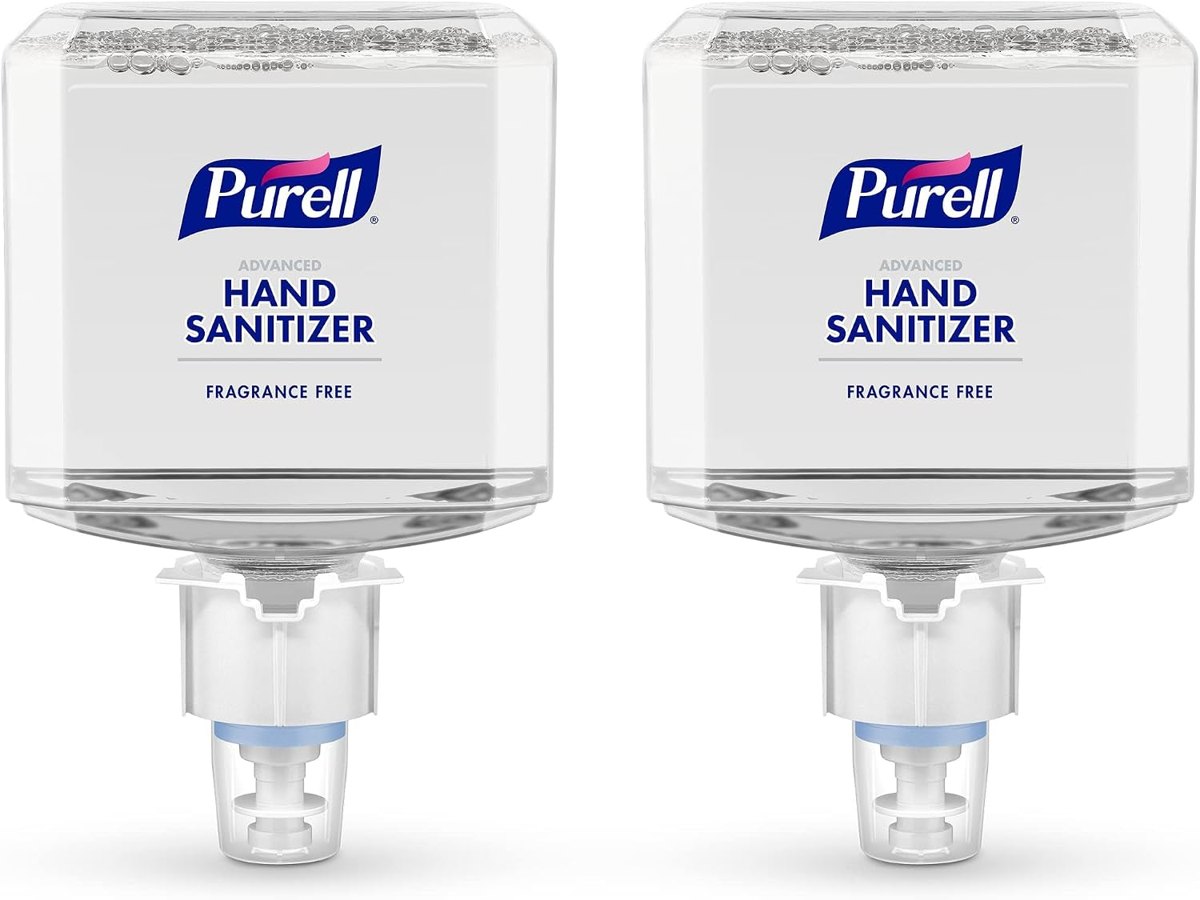
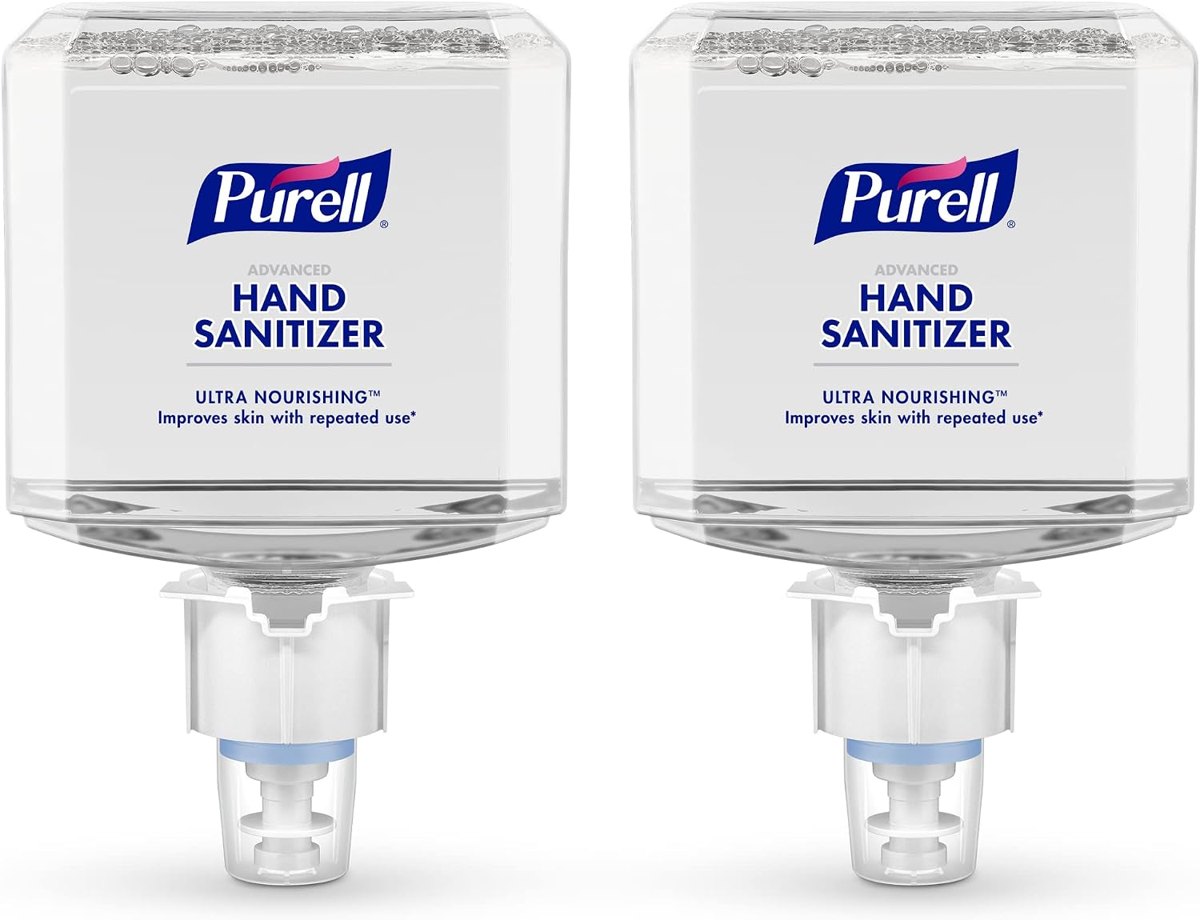
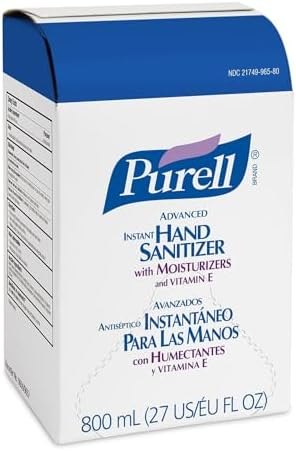
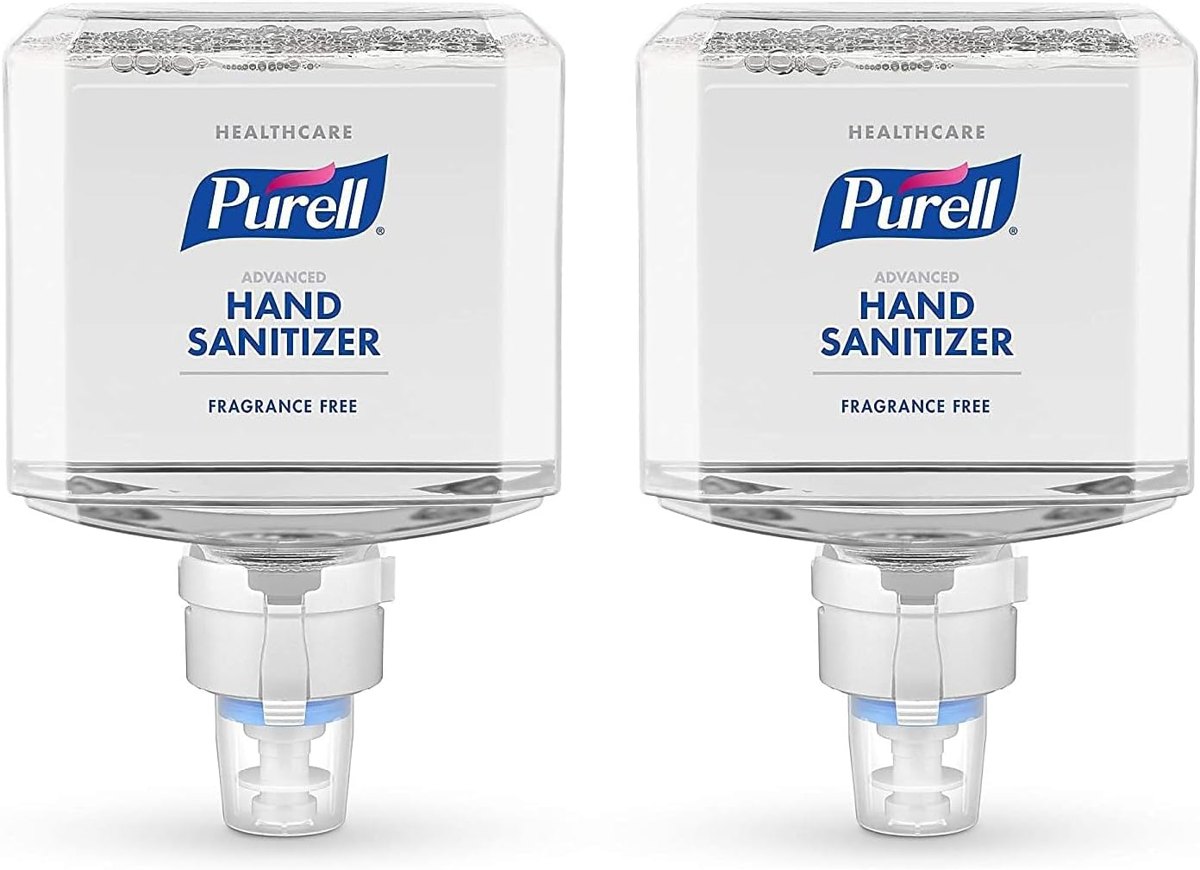
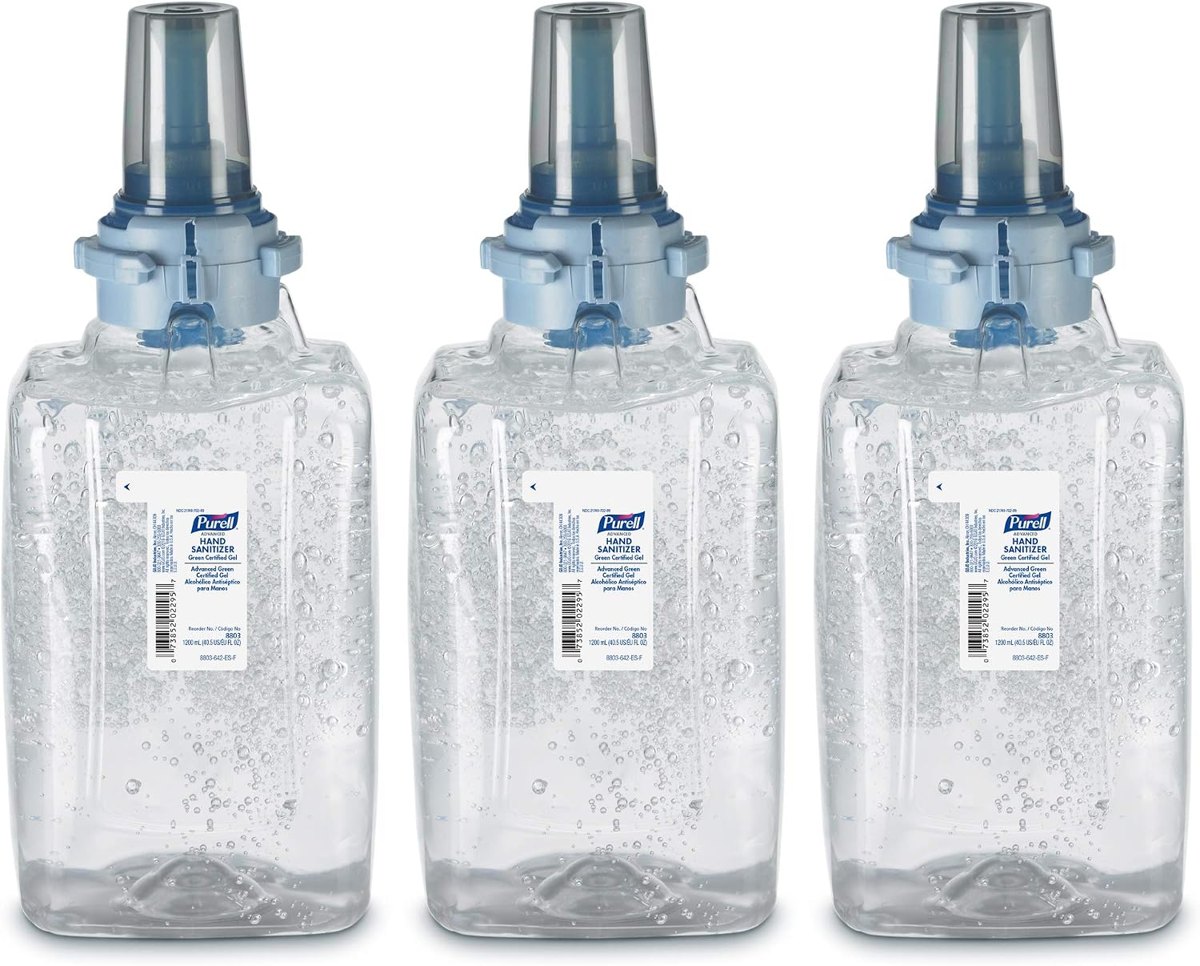
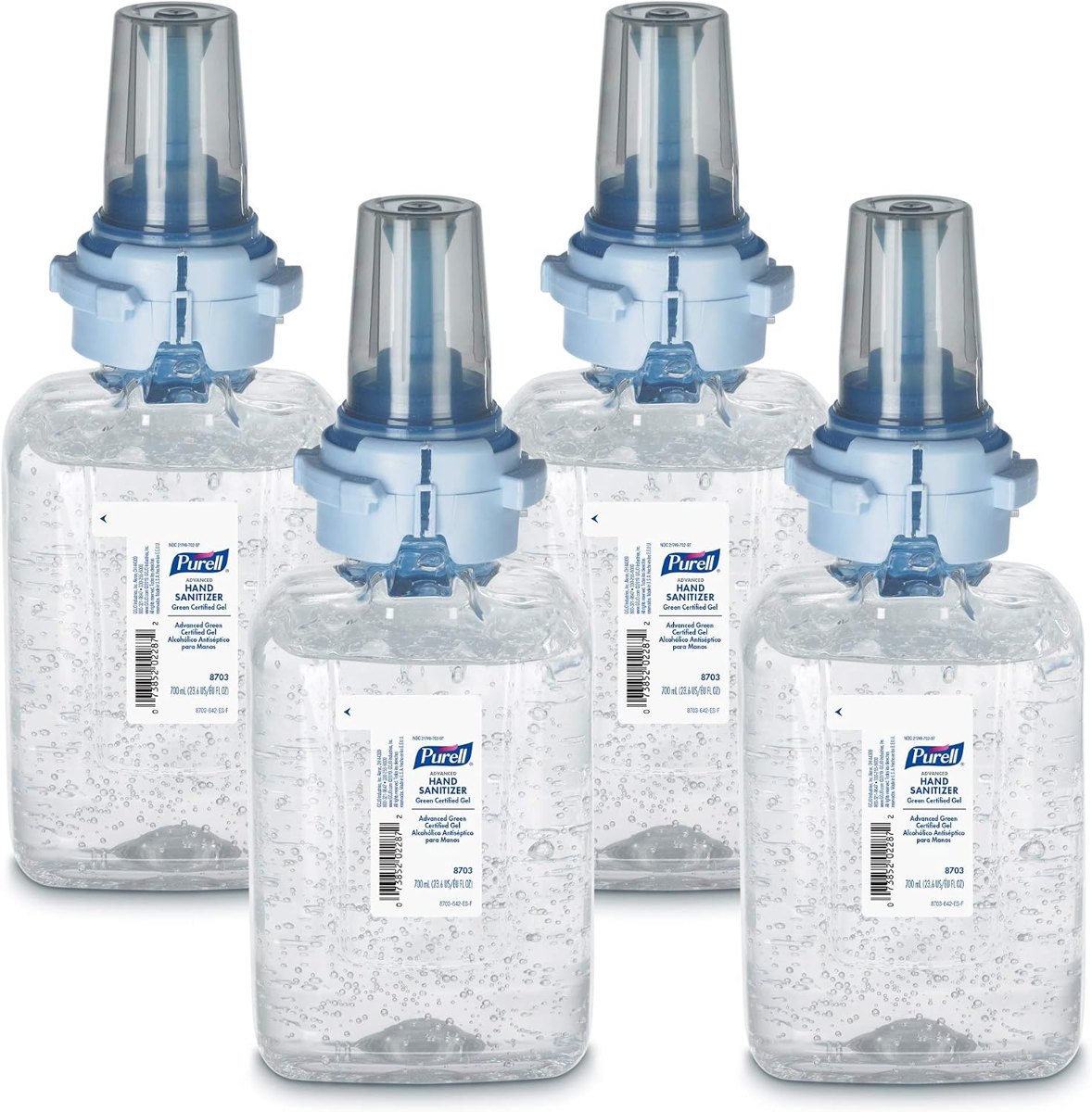
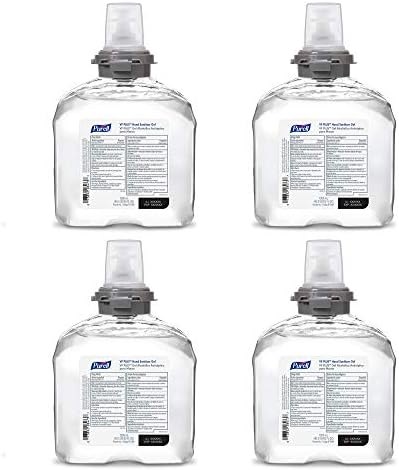
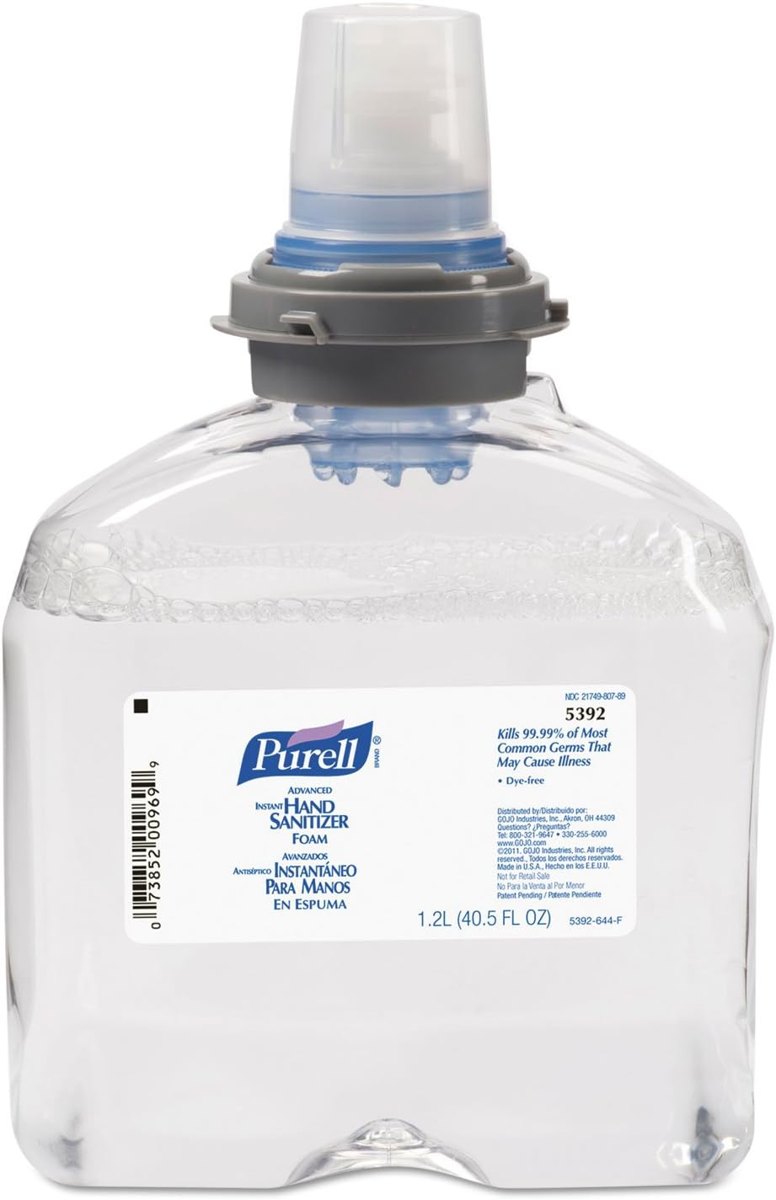
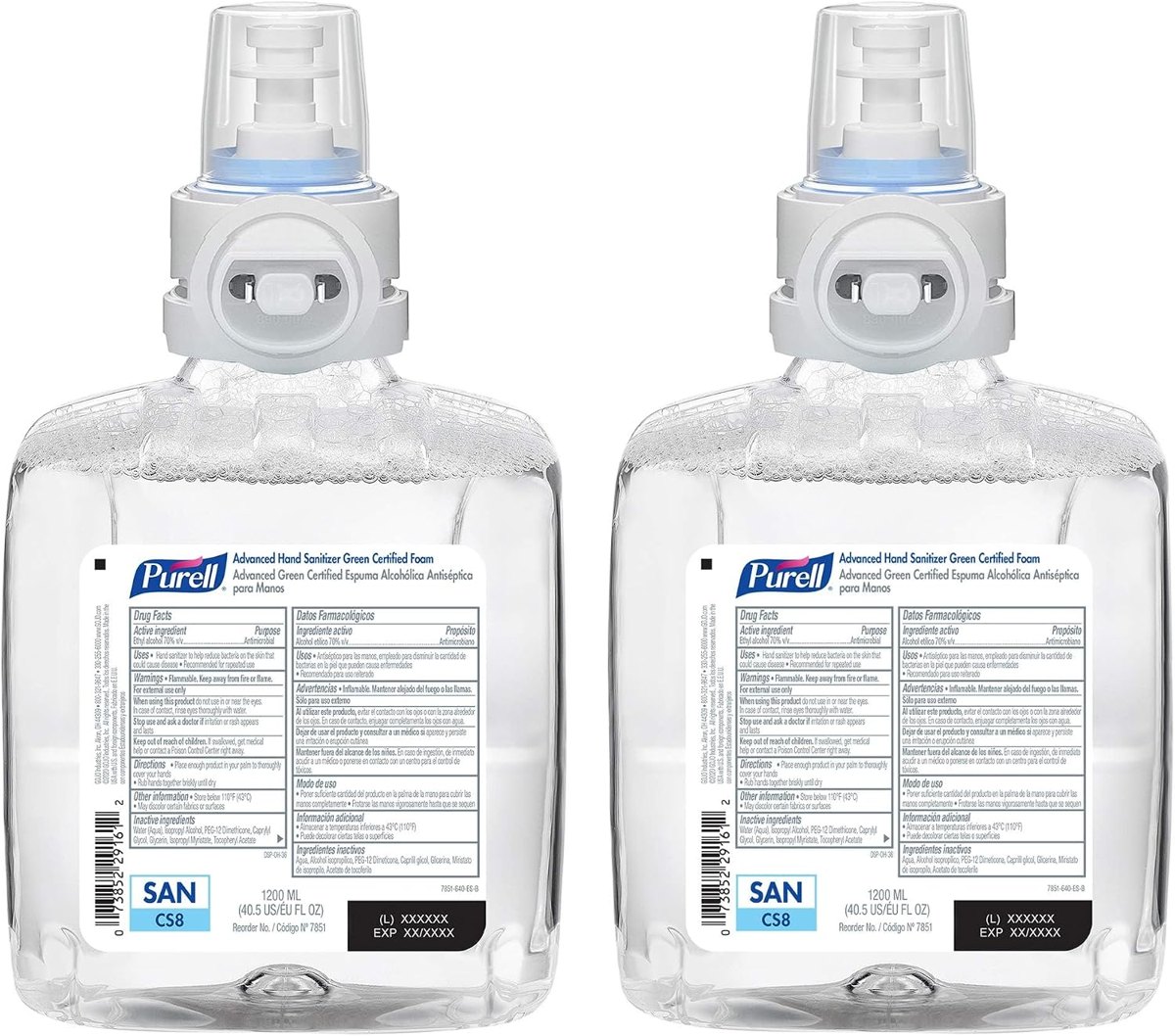
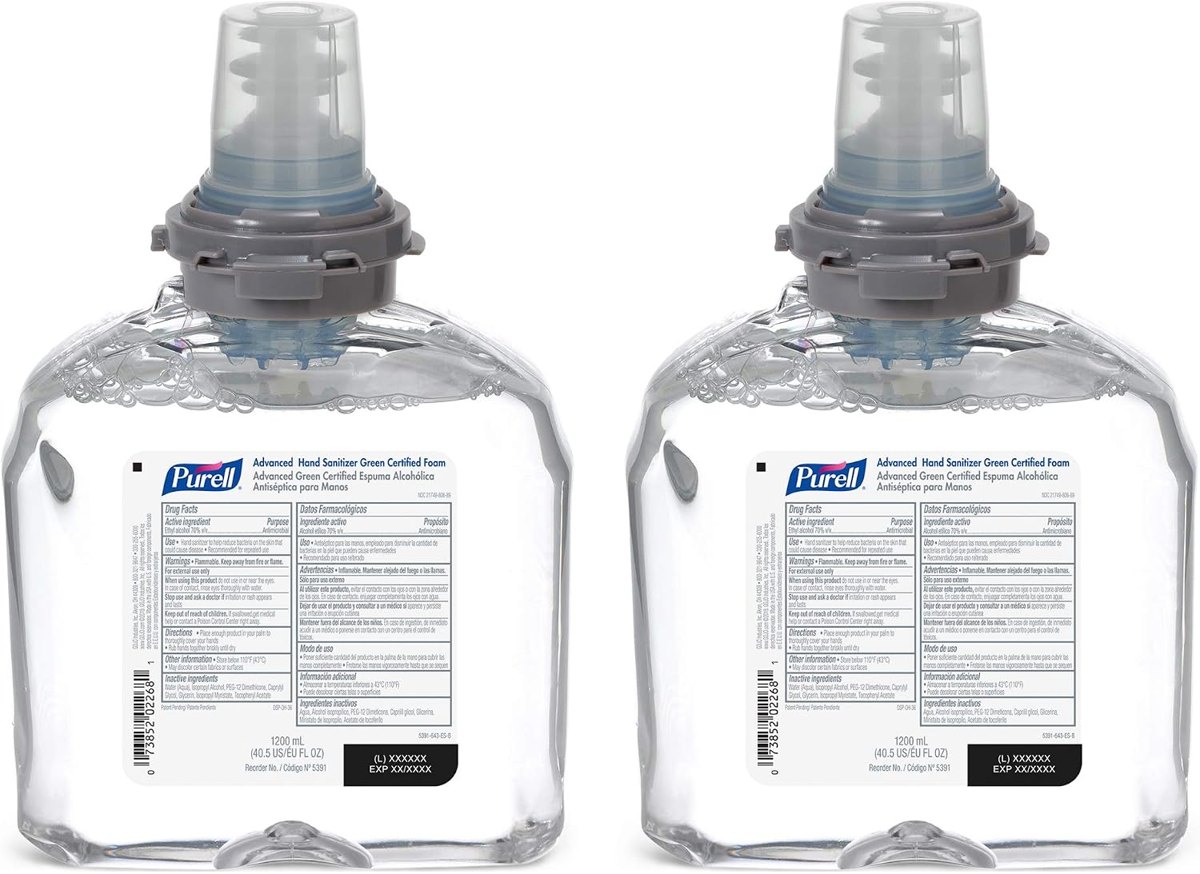
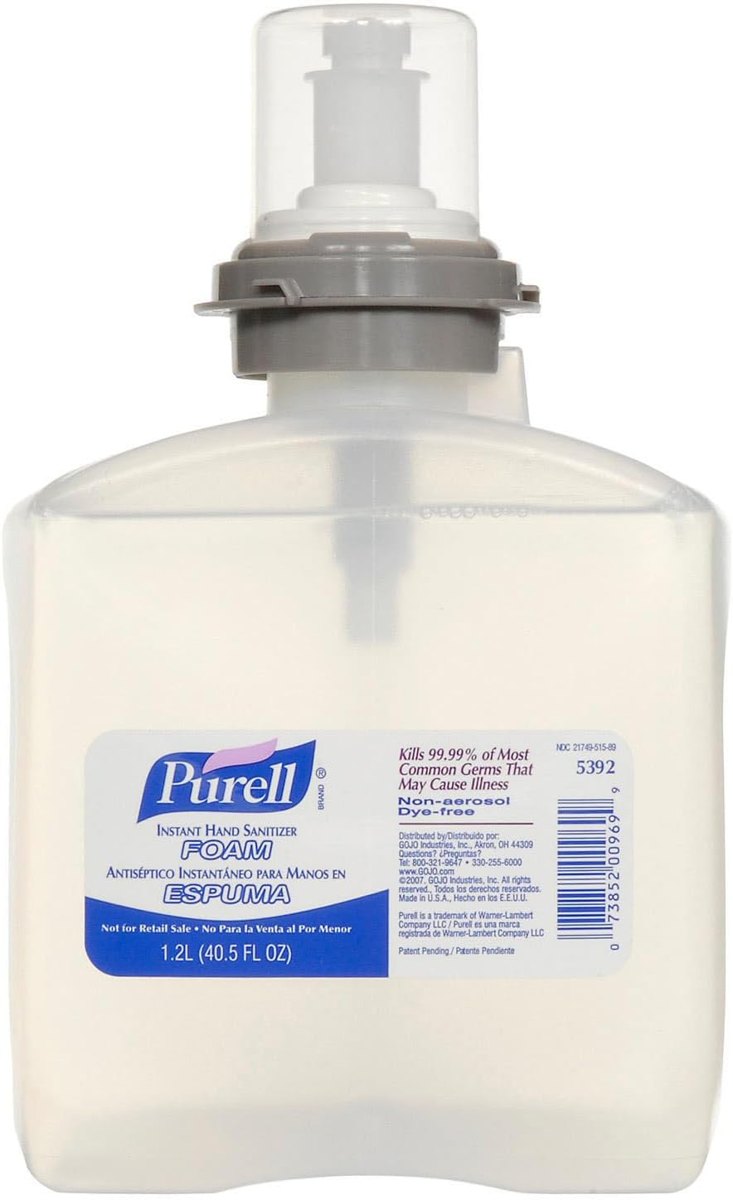
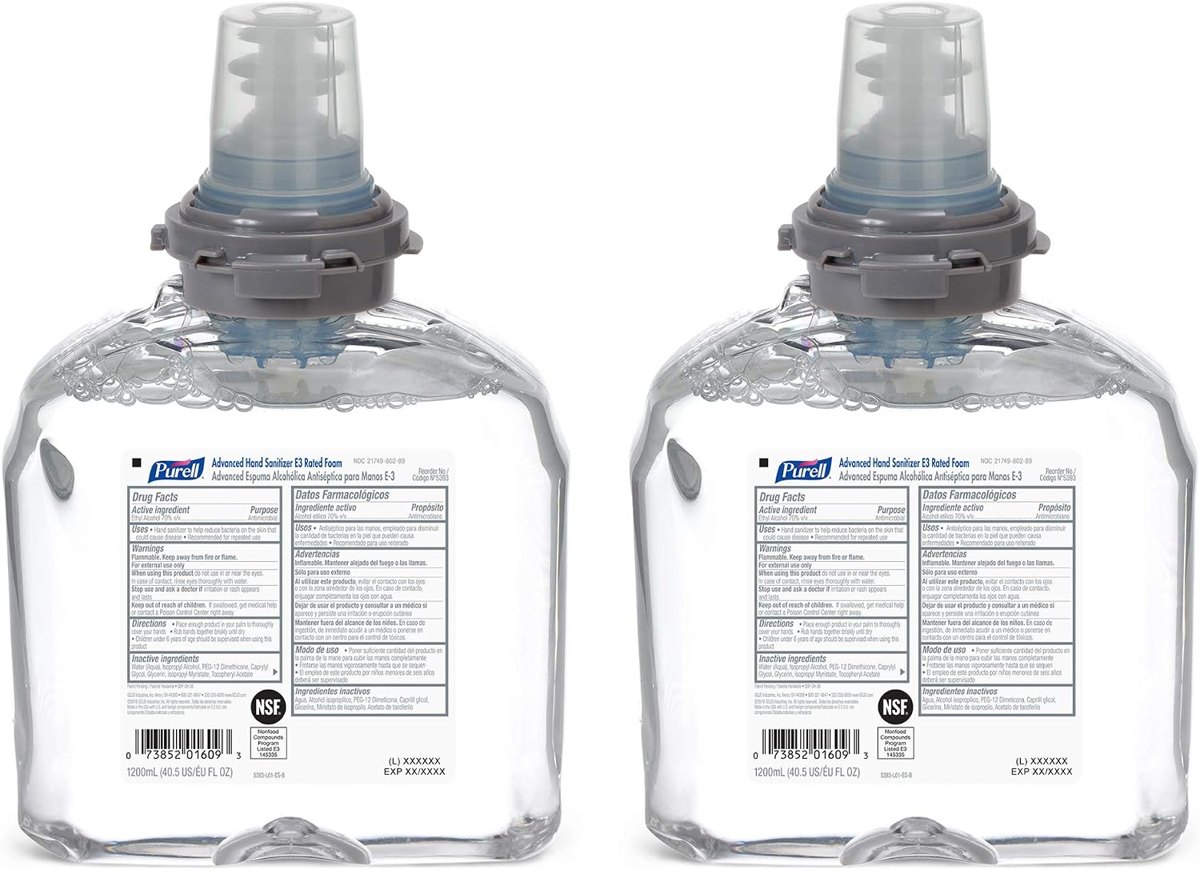
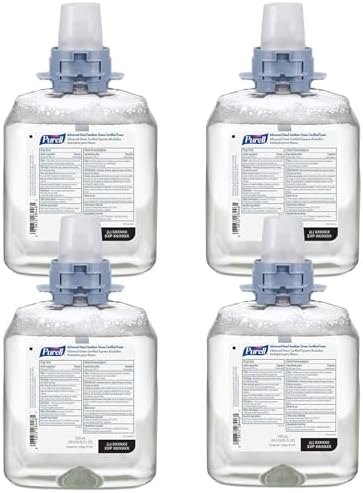
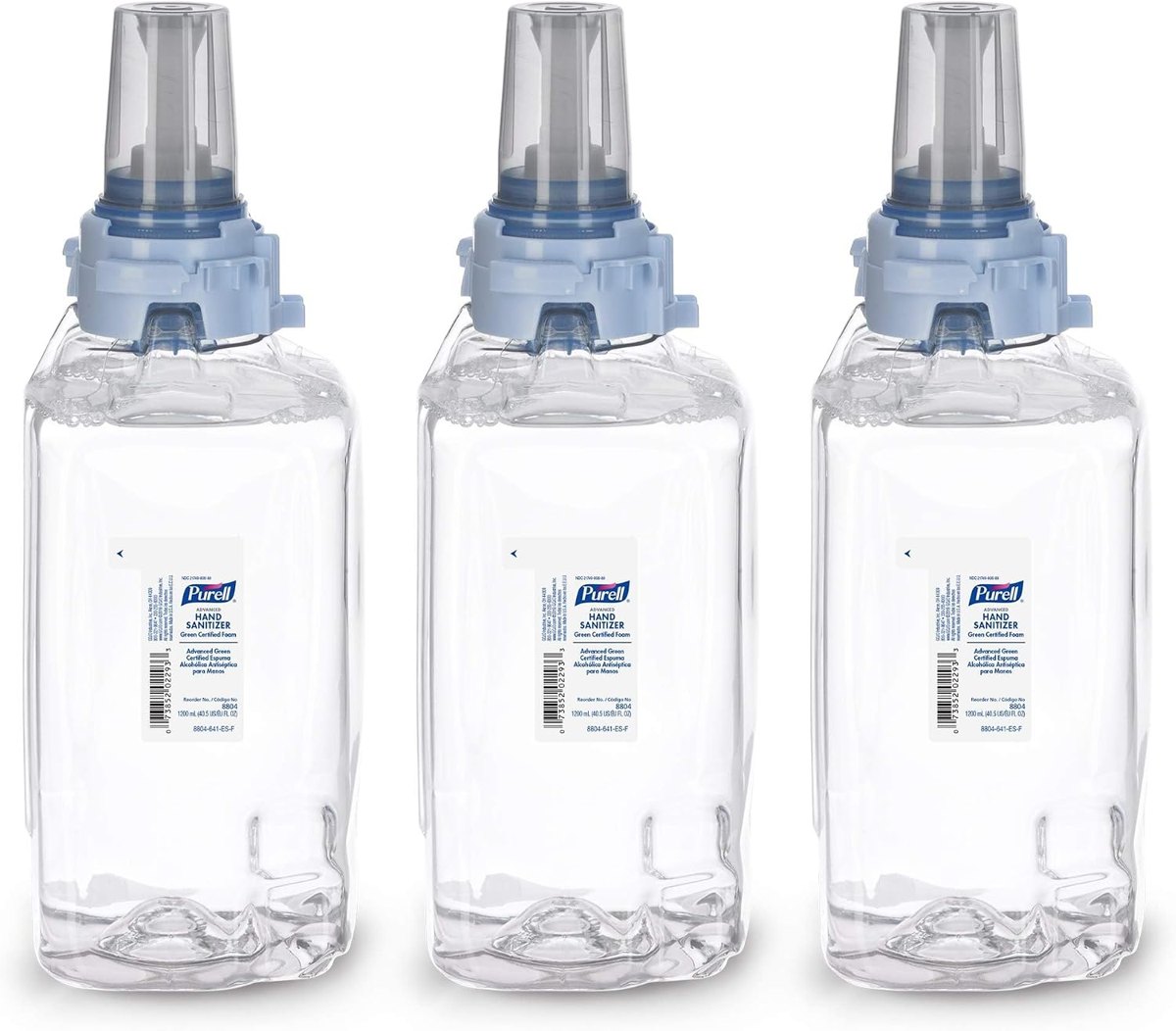
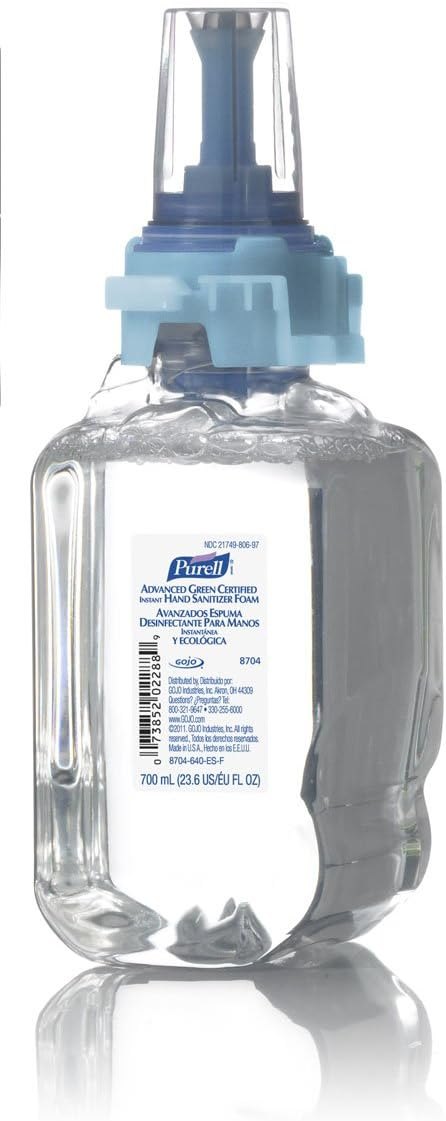
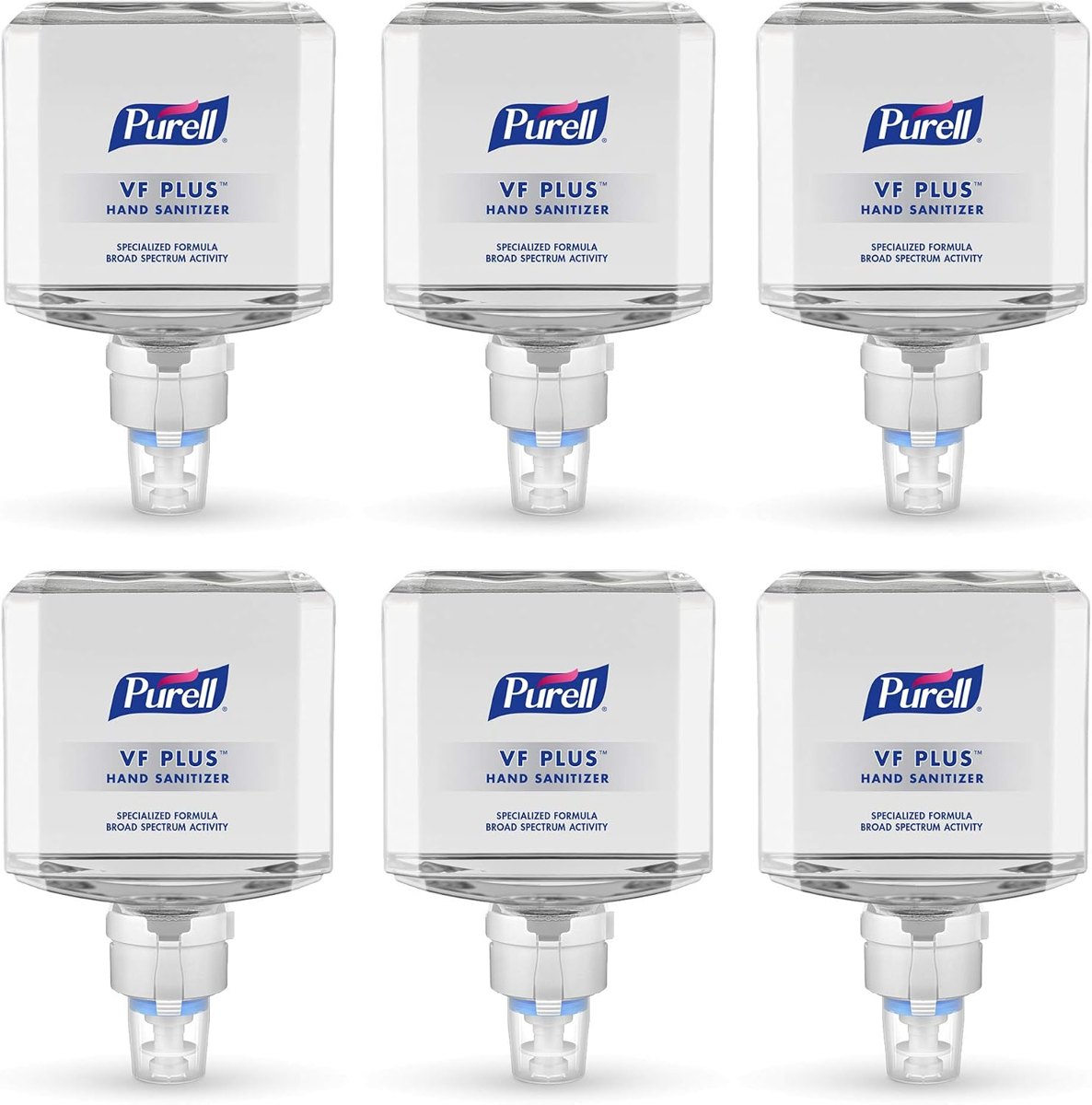
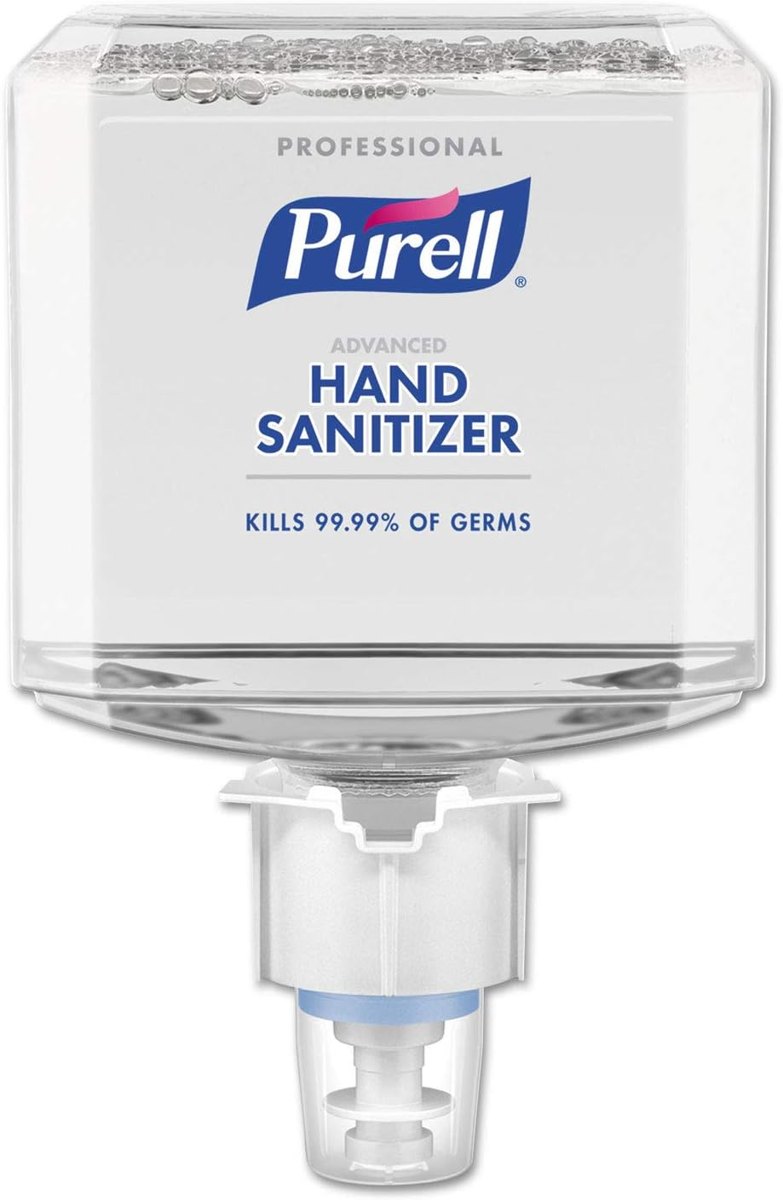
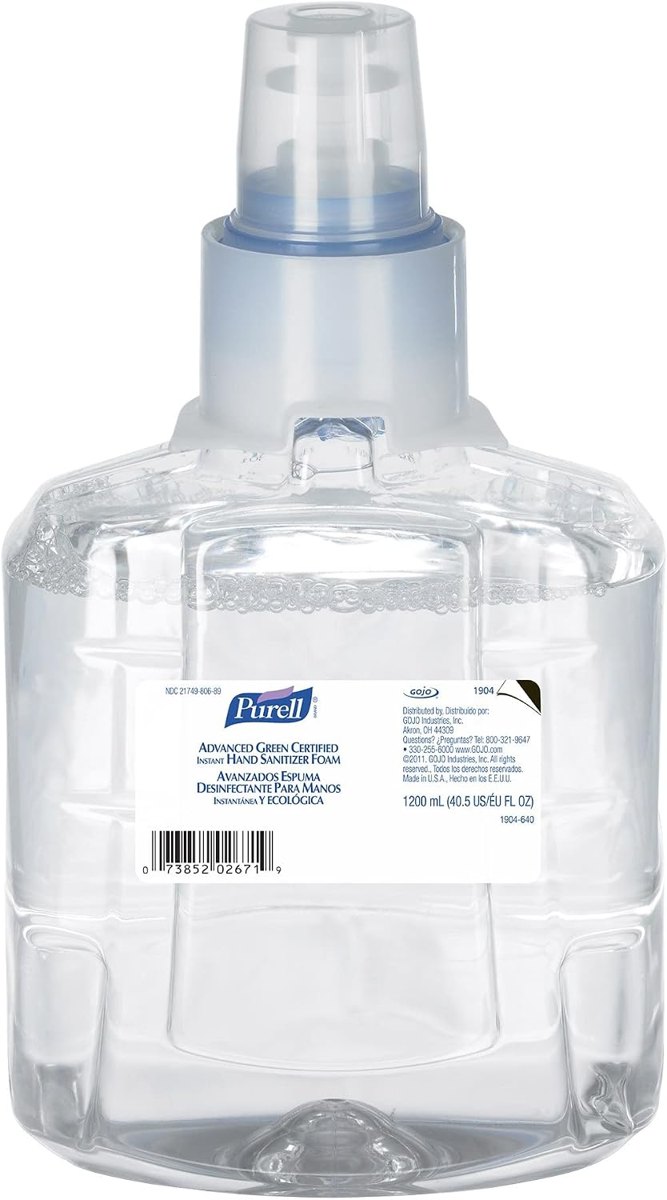
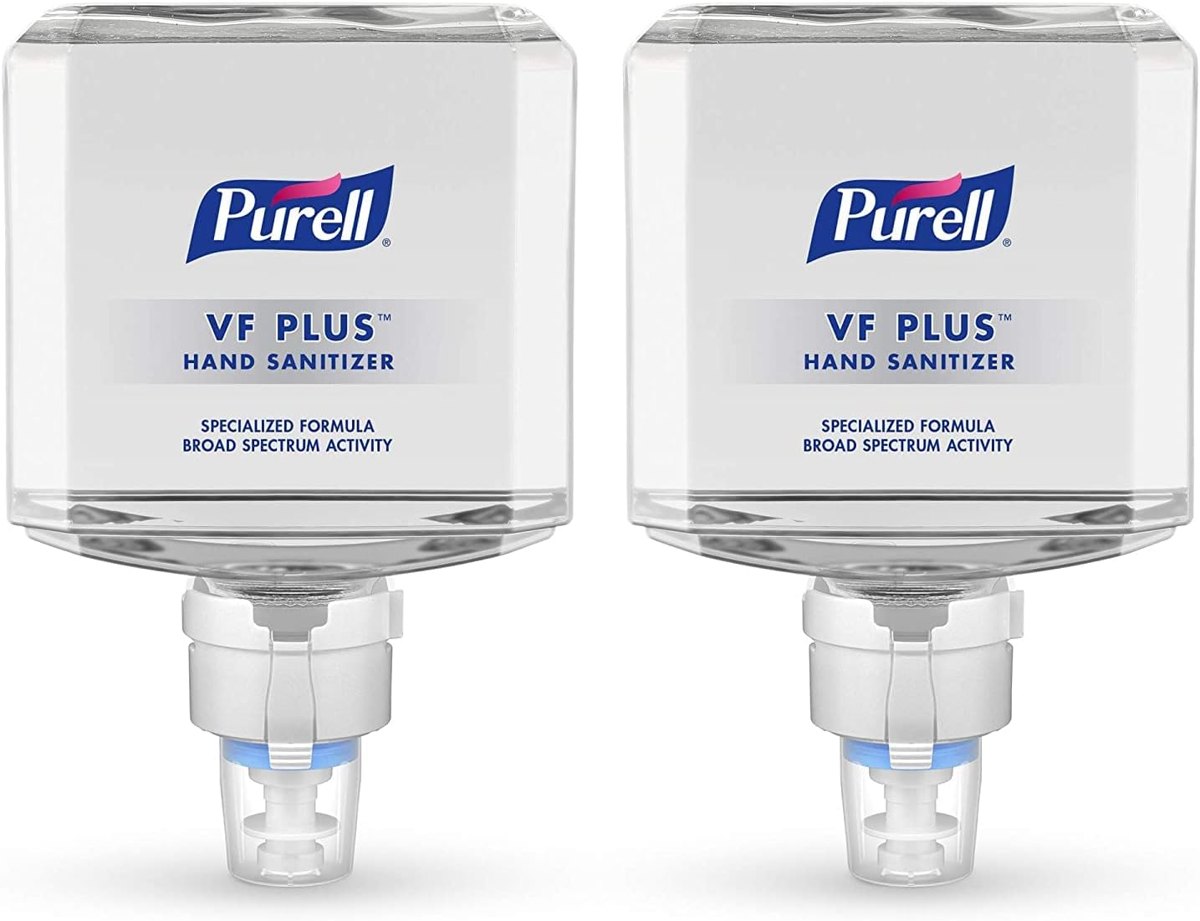
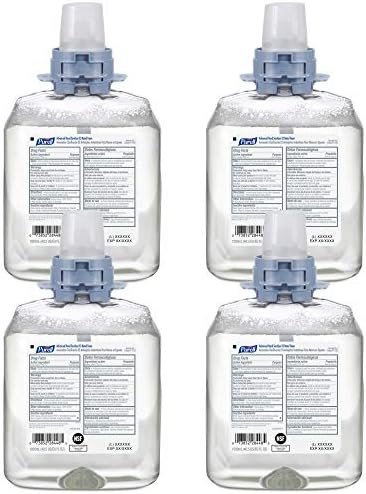
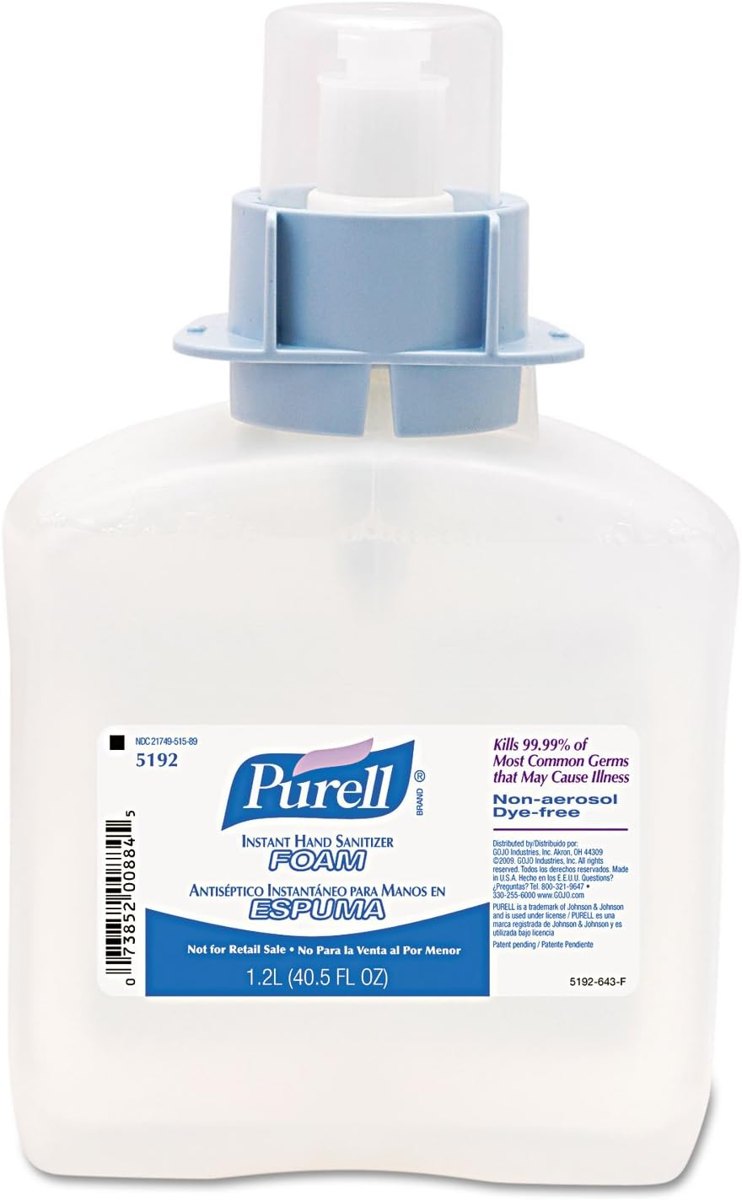
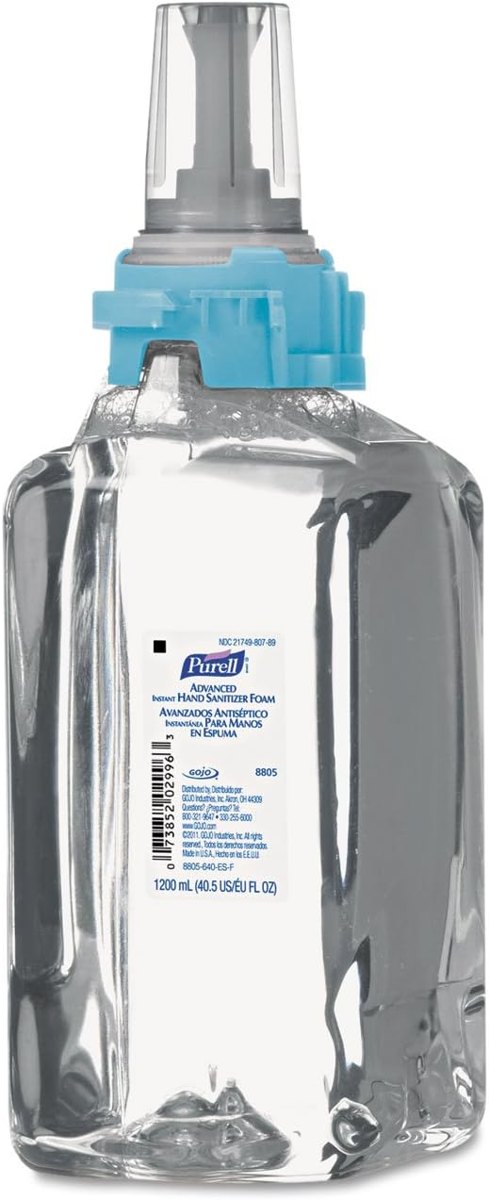
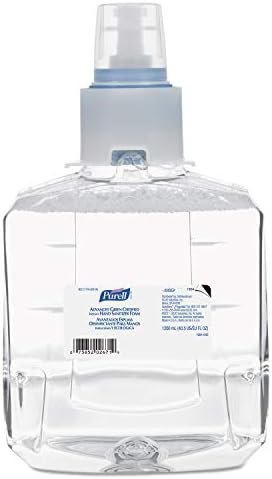
Refills are SANITARY SEALED at the factory with a fresh nozzle in every bottle, snap in with one motion and recycle when empty. Advanced gel and foam are the standard; Green Certified foam is EcoLogo certified and fragrance free; VF PLUS carries norovirus and flu claims for close-quarter, high-traffic settings; the 2 L and 64 oz bottles refill tabletop pumps. A 1200 mL refill gives about 1,200 doses of gel or 2,000 doses of foam.
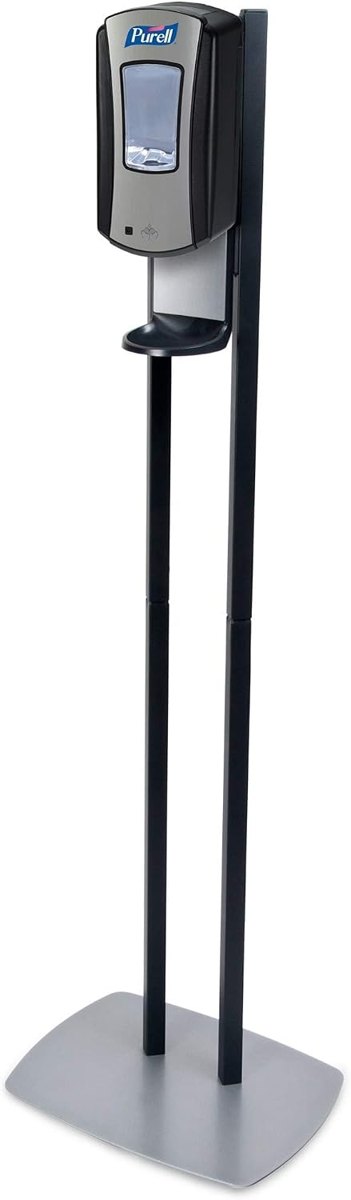
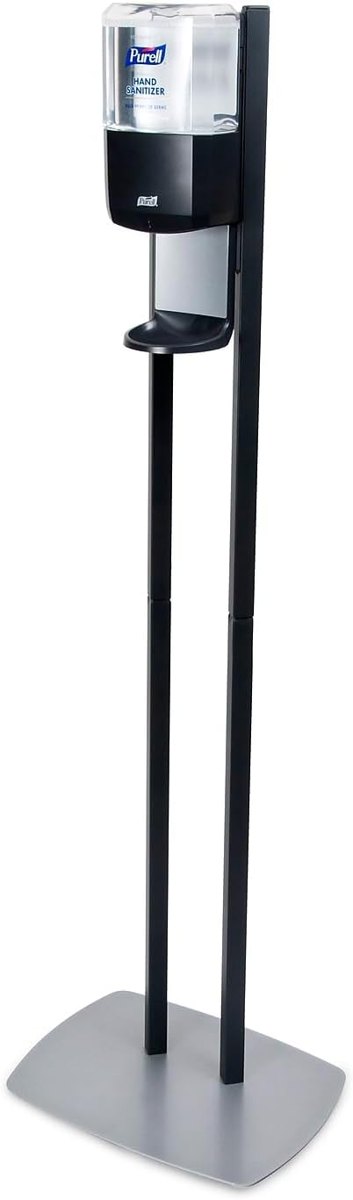
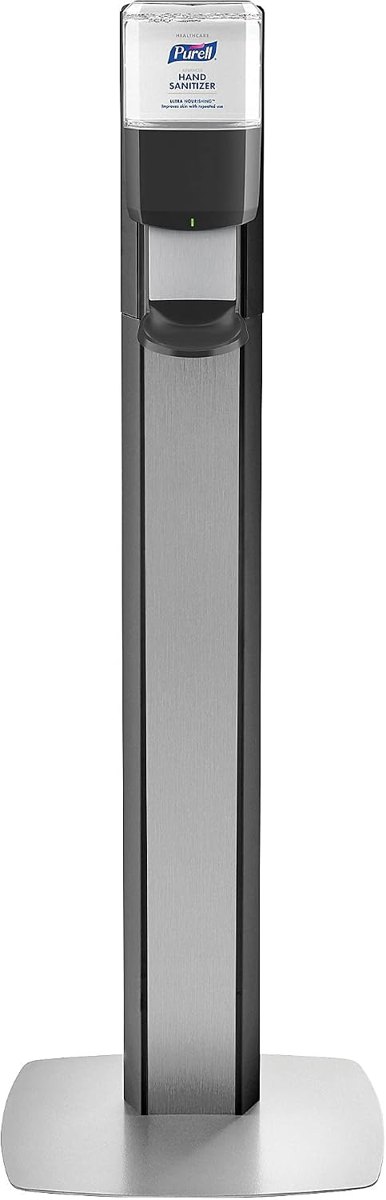
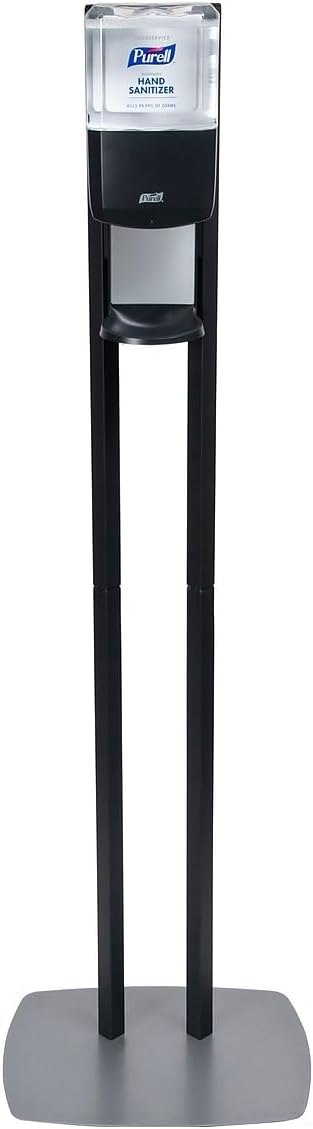
Starter kits put a dispenser and its first refill in one box, the fastest way to open a hand-hygiene station on a wall. Floor stands for ES6, ES8 and LTX-12 carry the dispenser into a lobby, a gym floor or an event entrance, and the Behavioral Health LTX units add tamper-resistant, ligature-resistant housings for secure settings.
Manual or automatic wall mount dispensers for a commercial facility
Commercial hand sanitizer dispensers come in two kinds, and a facility usually needs both. Manual (push-style) wall-mounted dispensers such as ES4, CS4, ADX and FMX have no batteries, cost less and suit break rooms, offices and small shops where traffic is light. Automatic dispensers such as ES6, ES8, ES10, CS6, CS8, LTX and TFX dispense a measured dose at a wave of the hand, which raises use in high-traffic areas like an entrance, a cafeteria line or a patient corridor, and keeps the housing clean because nobody touches it. Battery life is not a maintenance item on the ES and CS systems, where the energy is built into every refill; LTX and TFX batteries last about two years. Both kinds are compatible only with their own refills, so a facility that standardizes on one or two systems keeps one refill order and no mismatched bottles.
Installation, placement and ADA standards
Installation takes ten minutes: the screws and anchors in the box, or the double-sided tape for walls you cannot drill, and a level. For ADA standards, mount the dispenser so the push bar or sensor is no more than 48 inches from the floor and the unit protrudes no more than 4 inches into a walkway; hallway units are often set in a recess or a floor stand for that reason. Placement follows the hands: the entrance, reception, elevator lobbies, the restroom exit, the time clock, break-room doors and the end of every serving line. In a healthcare or food-service environment, a dispenser outside each patient room or at every pass-through is the standard, and the sealed refill keeps the sanitizer free of contamination between changes.
Why PURELL wall mount dispensers
Hand sanitizer dispensers are the most common hand hygiene solutions in the world, and the PURELL wall mount dispensers are designed around three things: functionality, durability and the personal experience of the person at the station. The sleek housings meet the look of a modern building, the sight window shows the level at a glance, the sealed refills never leak, and manual dispensing and touchless automatic dispensers share the same refill families, so one comprehensive collection covers every application throughout a building. Explore the hand sanitizer dispensers and hand soap dispensers side by side; placed together at every sink and entrance they reduce germ transfer in a way no sign on the wall can. Common questions about compatible refills, installation and types of dispensers are answered below and in the well-being notes.
Maintenance and how often to refill
A hand sanitizer dispenser needs almost no maintenance: wipe the housing with a surface wipe during routine cleaning, check the sight window weekly, and change the refill when it reaches the last quarter. A 1200 mL refill gives about 1,200 doses of gel or 2,000 doses of foam, so an entrance in a busy facility changes a refill every two to four weeks and an office corridor every two to three months. Sealed refills do not leak, cannot be topped up and recycle when empty; keep one spare per dispenser and cleanliness takes care of itself.


 8353-1G