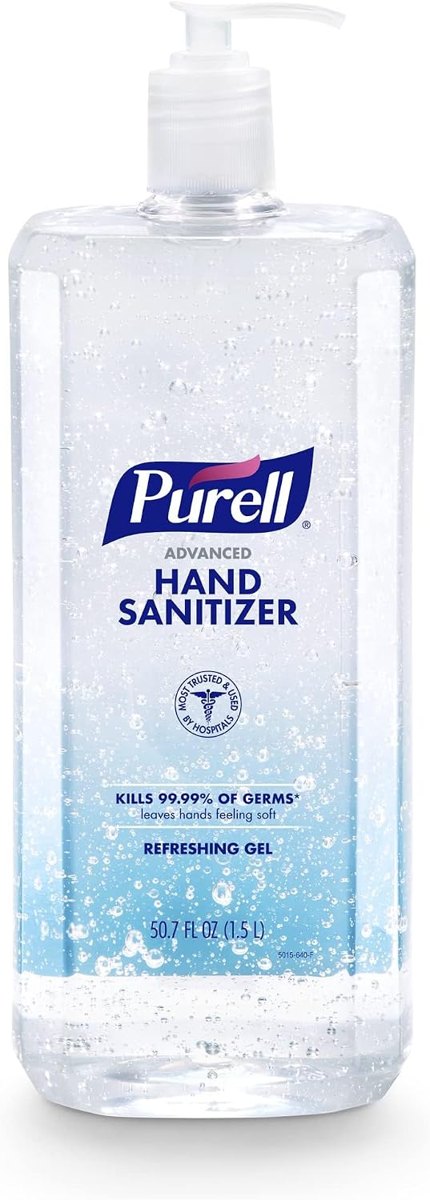
 Hand Sanitizer Bottles
PURELL Hand Sanitizer Refreshing Gel Pump Bottle, 1ct x 1.5 Liter
$21.00★★★★★ 4.6 (1,026)


A hand hygiene station is anything that makes clean hands the default: a hand sanitizer pump bottle people pass on the way in, refilled from the 2 L bottle, or a dispenser on the wall with a sealed refill nobody has to think about. Here is how to place it, size it and keep it stocked without a weekly reorder.
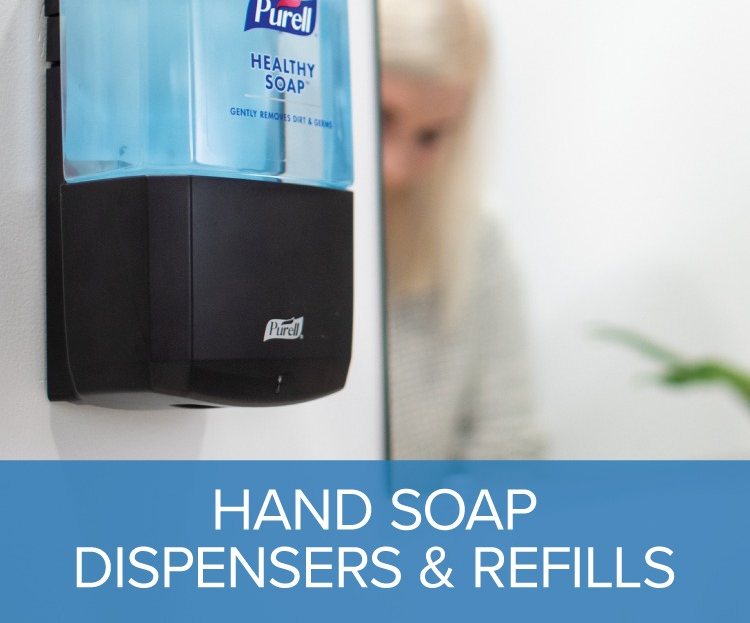
People sanitize when the bottle is in the path, not in a cupboard. At home that path is the hall table by the front door, the kitchen counter by the fridge and the mudroom shelf. At work it is the entrance, the reception desk, the time clock, the break room door, the restroom exit and the end of the serving line. Mount a dispenser at about 48 inches, where an adult's hand falls naturally and a child can reach, and keep it in sight of the door so it reads as a sign of care.
A hand sanitizer pump bottle is the home answer and the small-office answer: a 12 fl oz PURELL Advanced pump bottle on the counter, refilled from the 2 L refill bottle, costs little, needs no mounting, and the gel inside carries the skin conditioning ingredients and moisture that keep hands healthy through a season of use; the same essential formula kills 99.99% of the germs that cause illness and leaves skin soft, not dry. A wall dispenser is the answer anywhere more than a dozen people pass a day, because the sealed 1200 mL refill cannot be tampered with, cannot be topped up and runs for weeks, and the gentle, fragrance-free foam inside is designed to maintain skin health with heavy use. Push-style ES4 or CS4 for a cubicle wall or a shop; touch-free ES6, ES8, ES10, CS6, CS8, LTX or TFX for an entrance or a clinic, where no-touch gets used more. Please note that the packaging of a refill names the system it fits; a common mistake is buying by size alone.
The arithmetic is kind. A 2 L hand sanitizer refill bottle fills a 12 fl oz pump bottle five times, so the cost per dose on a home counter is a fraction of a cent; a 1200 mL dispenser refill in a busy entrance costs about the same per hand. Compare that with one case of illness in the house or one sick day in the office, and the station pays for itself in a week. Accessible placement, convenient formats and a product that is gentle on skin are what keep the habit going in the environments and areas where germs travel fastest; the result is healthy hands, less illness and a cleaner building with no extra support from anyone.
Hand Sanitizer Bottles
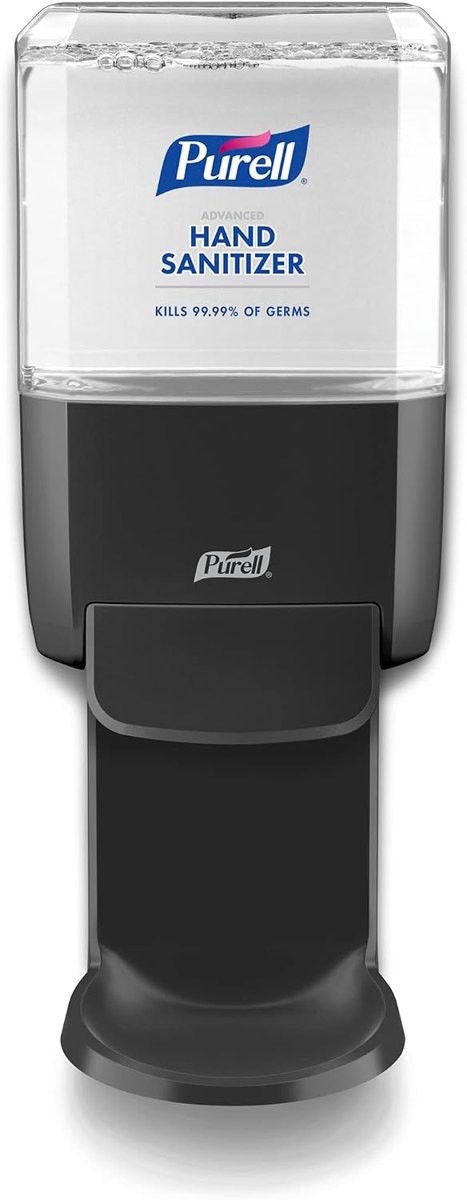 Sanitizer Dispensers & Refills
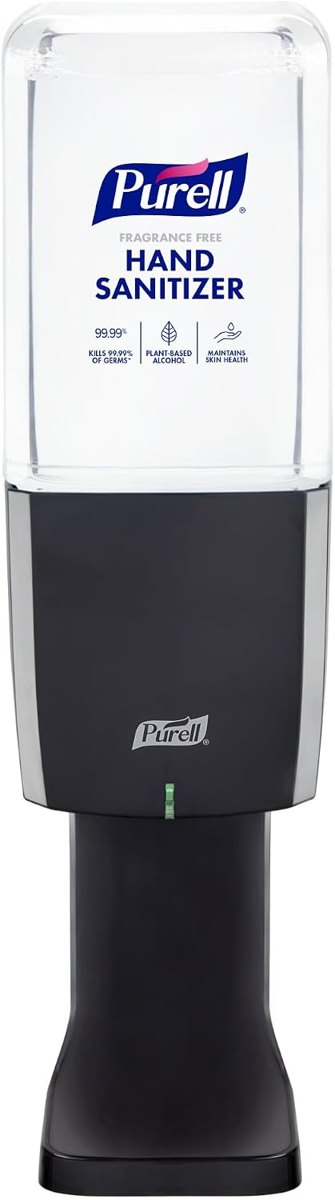 Sanitizer Dispensers & Refills
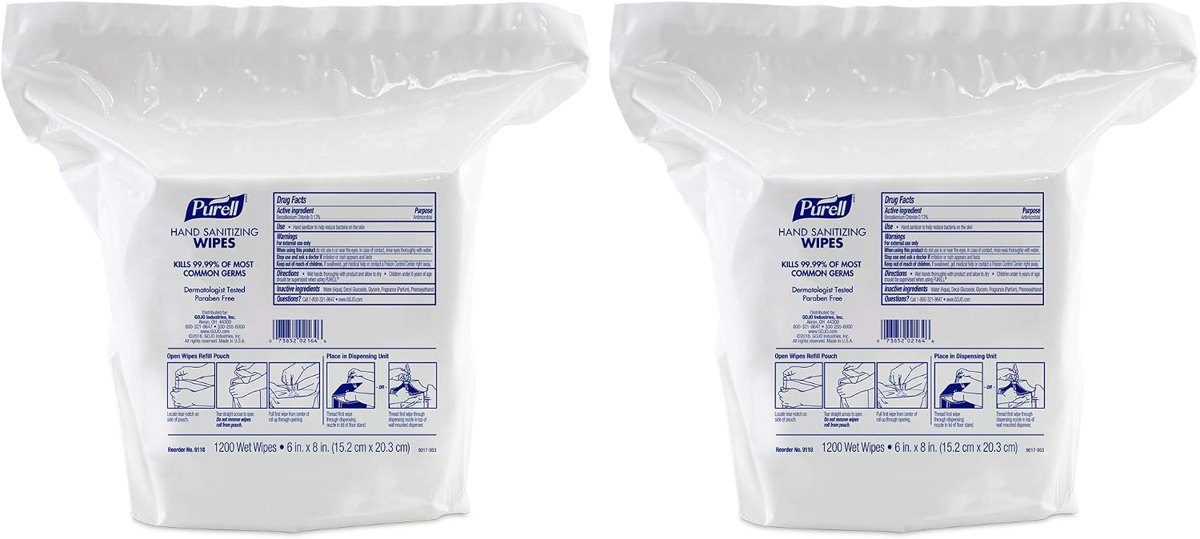 Hand Sanitizing Wipes